

Level 24 - Vocab in Context
46 Lessons
1
红 in Context
2
红包 in Context
3
约 in Context
4
约会 in Context
5
合法 in Context
6
给 in Context
7
拿 in Context
8
穿 in Context
9
穿衣服 in Context
10
空 in Context
11
天空 in Context
12
有空 in Context
13
空间 in Context
14
空气 in Context
15
深 in Context
16
正式 in Context
17
试试 in Context
18
刀子 in Context
19
分 in Context
20
分钟 in Context
21
分手 in Context
22
分开 in Context
23
过分 in Context
24
份 in Context
25
月份 in Context
26
切 in Context
27
一切 in Context
28
计划 in Context
29
别 in Context
30
别人 in Context
31
别的 in Context
32
BONUS: Connector - Expressing Exceptions with 除了
33
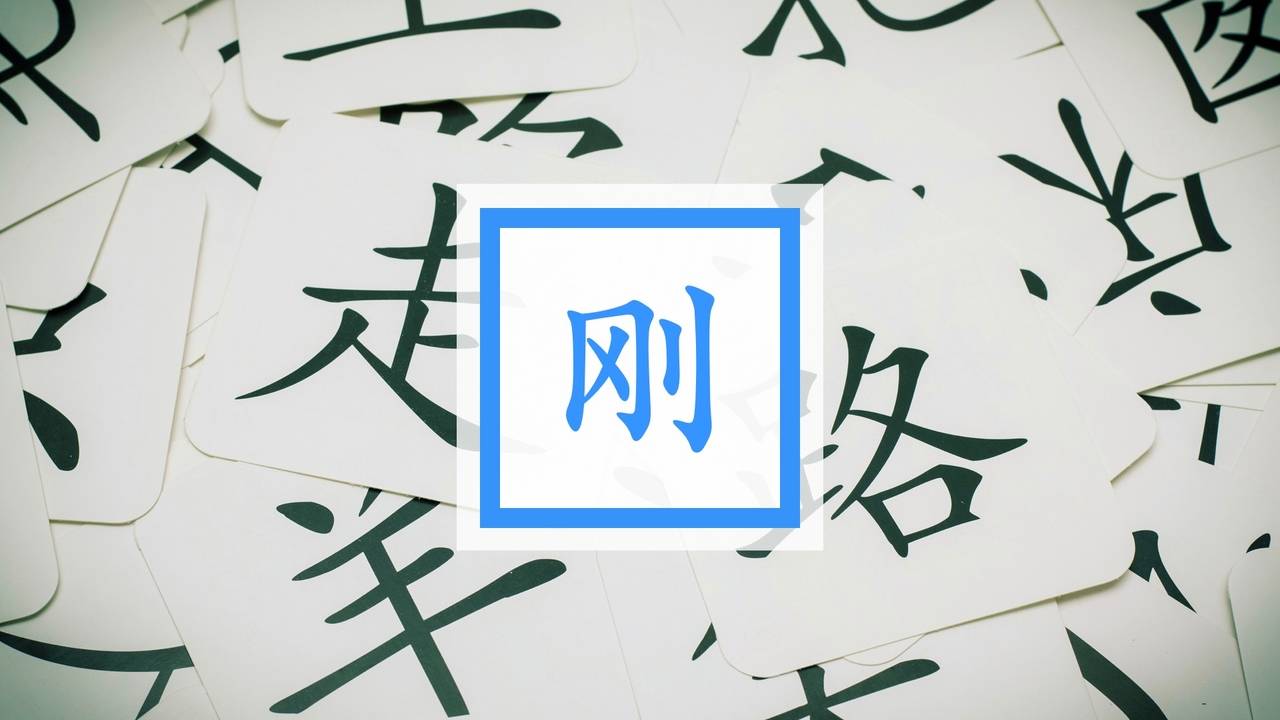
刚 in Context
34
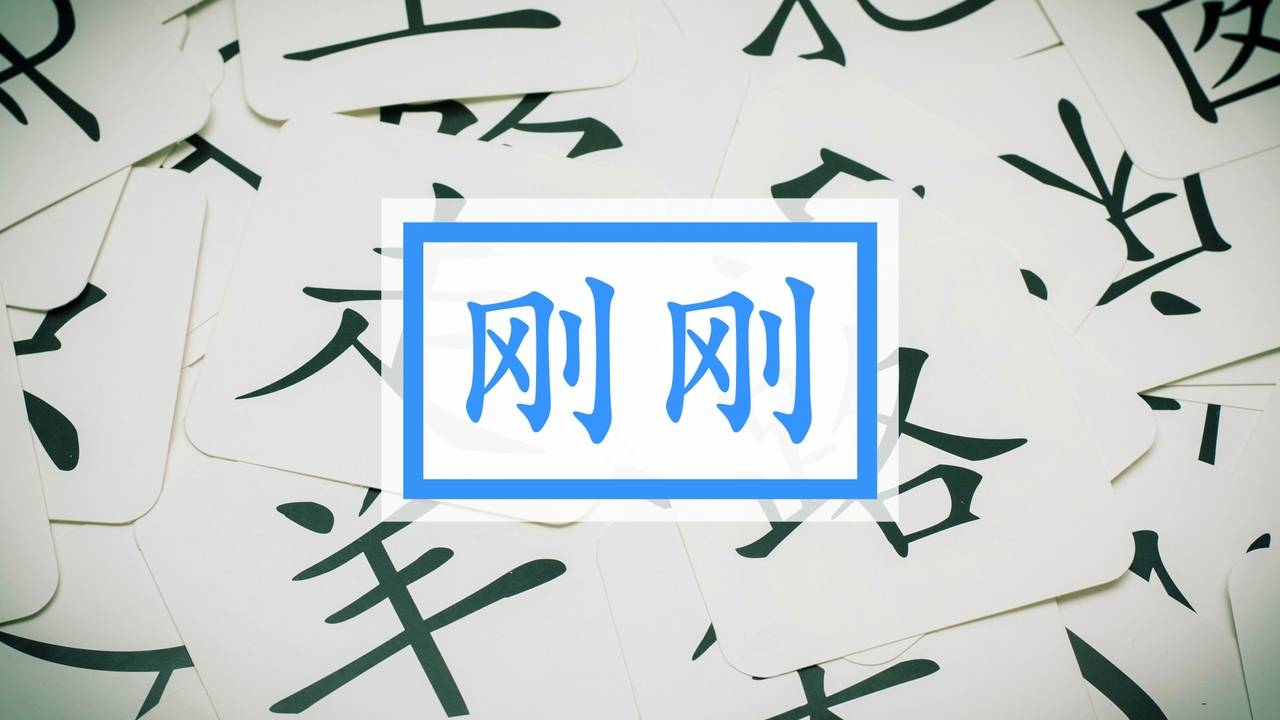
刚刚 in Context
BONUS: “How Does What" - Adverbs of Time
36
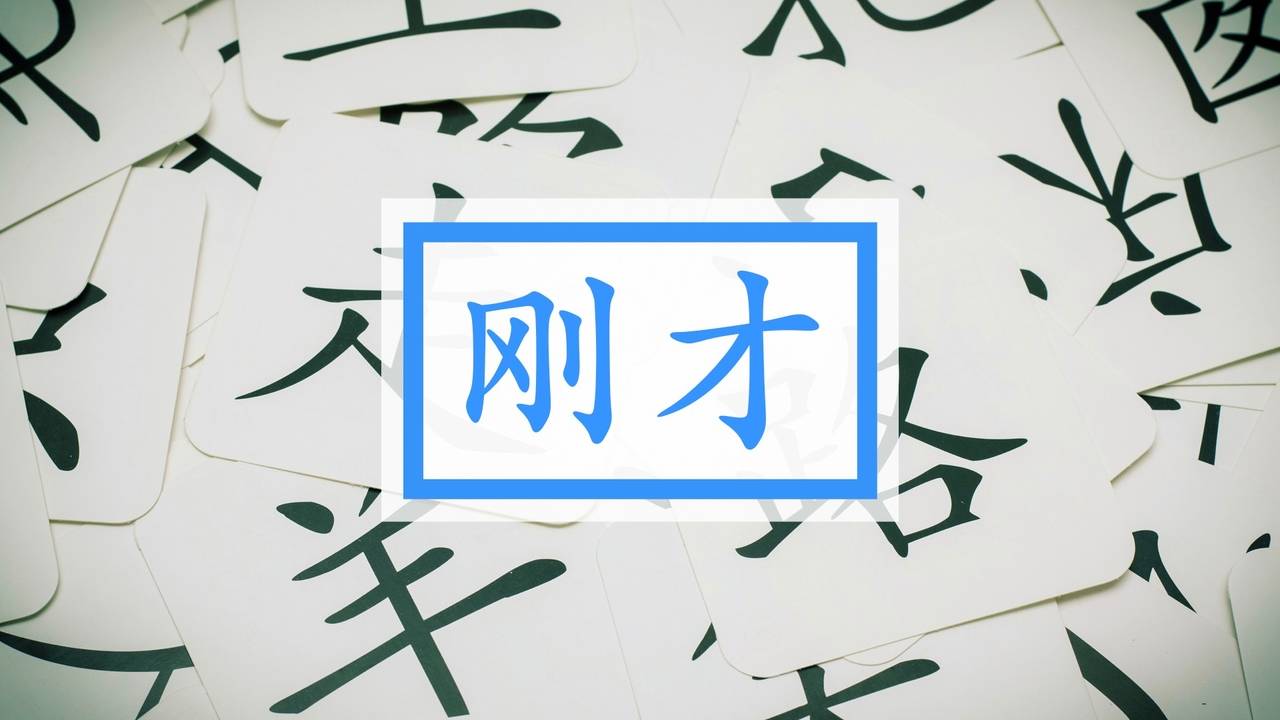
刚才 in Context
37
班 in Context
38
上班 in Context
39
下班 in Context
40
加班 in Context
41
前 in Context
42
以前 in Context
43
前天 in Context
44
前面 in Context
45
往前 in Context
46
前边 in Context
Next Character
BONUS: “How Does What" - Adverbs of Time
Reminder About "How Does What" (Adverbs)
The Mandarin Blueprint “Grammar Word” (GW) tags focus on the different parts of speech and ways of categorizing them. For example, what are the different ways to use adverbs in Mandarin Chinese?
In our tagging system, we refer to adverbs as “How-DoesWhat,” because that’s how they function. Adverbs tell you how an individual action takes place. We divide the sentences that contain adverbs in The Mandarin Blueprint Method Foundation Course into six categories:
- Deny 否定 - An adverb that denies or negates the action (Phase 3)
- How Often 频率 - An adverb that shows the frequency of an action (Phase 4)
- In What Range 范围 - An adverb that specifies the range of an action (Phase 4)
- Time 时间 - An adverb that adds context to the amount of time that relates to an action (Phase 4)
- To What Degree 程度 - An adverb that specifies the degree of an action (Phase 3)
- Tone of Voice 语气 - An adverb that influences the tone of voice surrounding the action (Phase 4)
The Chinese word for “adverb” is 副词 fùcí, which translates to “‘auxiliary’ or ‘subsidiary’ word.” Considering that you can't use adverbs alone and must attach them to an action, “subsidiary” is an apt description.
That’s why the six tags are as follows:
GW-[How-DoesWhat]-Deny-副词-否定
GW-[How-DoesWhat]-How-Often-副词-频率
GW-[How-DoesWhat]-In-What-Range-副词-范围
GW-[How-DoesWhat]-Time-副词-时间
GW-[How-DoesWhat]-To-What-Degree-副词-程度
GW-[How-DoesWhat]-Tone-Of-Voice-副词-语气
In The Mandarin Blueprint Method “Grammar Building” flashcard decks, you can find all sentences that have these tags in the sidebar of your flashcard program.
GW-[How-DoesWhat]-Time-副词-时间
Another way to use adverbs is to identify the timing of an action. Will the action happen ‘immediately?’ Is it ‘still’ yet to happen? ‘Already’ happened? Here’s how you can express this type of adverb:
Sentence 1:
我马上来。- Level 13
Wǒ mǎshàng lái.
I’ll come right away.
‘马上’ literally means “horse on,” so you can imagine that in Ancient China, if a message was ‘almost’ or ‘soon to’ arrive, it was already ‘on the horse.’ Use 马上 before an action to indicate that it’s ‘about to’ happen.
Note: People say 马上 as a direct response if you ask them something like, “Where are you?” or “Are you almost here?”
Sentence 2:
我才来。 - Level 13
Wǒ cái lái.
I only just came.
In this context, adding 才 to “我来” indicates that the speaker wants to emphasize that they’ve only just arrived. Suppose you just arrived at a party, and someone asks you, “How’s have you been enjoying the festivities?” You might respond, “我才来” to indicate that you don’t yet know because you haven’t been there long enough.
Sentence 3:
我刚刚吃了一块面包。- Level 24
Wǒ gānggāng chī le yī kuài miànbāo.
I just ate a piece of bread.
Adding 刚刚 to 我吃了一块面包 clarifies that it happened in the immediate past. You can also omit one of the 刚’s in this context, so ‘我刚吃了一块面包’ is also correct.
If you want to specify a time, use a single 刚, and add the specific time after the action. You will also often hear people add 才 cái before 刚. Here’s an example:
我(才)刚来成都三个月。
Wǒ (cái) gāng lái chéngdū
I just came to Chengdu three months ago
Note that 刚 or 刚刚 is relative to the speaker’s perception. Three months might feel like ages to one person and barely any time to another, but regardless, if you see 刚 or 刚刚 in the sentence, the speaker feels that the action happened recently.
Sentence 4:
他说要给我打电话,可是电话还没打过来。- Level 17
Tā shuō yào gěi wǒ dǎ diànhuà, kěshì diànhuà hái méi dǎ guòlai.
He said he would give me a call, but it still has not come in yet.
The first half of the sentence establishes an expectation that a call will come in, so the fact that it hasn’t come in ‘yet’ or ‘still’ is what causes the speaker to say 还. Another way people tend to use 还 is when someone is ‘still’ in the process of doing something, in which case you would use ‘还在.’
A: ’她可以和我说话吗? Can she speak with me?’
B: ‘不可以,她还在吃饭。No, she’s still eating.’
Sentence 5:
我们从来没有哭过。- Level 19
Wǒmen cónglái méiyǒu kū guo.
We’ve never cried before.
In this sentence, we can assume the speaker is expressing some level of machismo. Why? Because they emphasize that ‘from the beginning 从来’ they ‘did not cry 没有哭过,’ aka ‘never cried.’ You could say “我们没有哭过,” but this theoretically could mean “We never cried within some specified period.” By adding 从来, the speaker makes it super clear that they NEVER cried from the beginning.
Sentence 6:
你可以随时来,取走书。- Level 20
Nǐ kěyǐ suíshí lái, qǔzǒu shū.
You can come at any time to pick up books.
随 means ‘casual,’ so if you’re ‘casual’ with ‘time 时,’ that’s similar to saying “any time.” Use 随时 whenever you want to clarify that the action can take place without the need to specify a time.
Sentence 7:
我一直爱着那个男孩。- Level 22
Wǒ yīzhí ài zhe nèige nánhái.
I have always loved that boy.
You’ll hear people say 一直 any time they want to clarify that something has always been the case. If you leave it out of the above sentence, the speaker may have only loved the boy for a couple of days. Adding in 一直, in this case, makes the statement far more romantic.
Sentence 8:
这种样子的包已经卖完了。- Level 16
Zhè zhǒng yàngzi de bāo yǐjīng mài wán le.
This type of bag has already sold out.
When you say that something ‘already 已经’ happened, it’s because you want to express some degree of surprise. Imagine that a new phone comes on the market and you walk into the store 10 minutes after it goes on sale. If it’s sold out, it would be strange for the sales clerk to leave out 已经, because it sure did sell out quickly. Without 已经, “这种样子的包卖完了” is a mere statement of fact with zero tone of surprise.
Comment 1


Click Here to Search Individual Hanzi 汉字
PHASE 1 (Levels 1-6)
- The Basics - Why Does This Method Work?
- How our Pinyin Chart is Different
- What are Chinese Characters?
- Props
- Sets
- Actors
- Scripts
- Inspiration for Scripts
- Special Effects
- Timeboxing
- Why SRS is So Important: Frequency & Memory
- How to Use SRS
- Habit Building Part 1 - Triggers
- Habit Building Part 2 - Routine
- Habit Building Part 3 - Reward
- Habit Building Part 4 - Belief
- Stroke Order Rule #1
- Stroke Order Rule #2
- Stroke Order Rule #3
- Stroke Order Rule #4
- Stroke Order Rule #5
- Stroke Order Rule #6
- Stroke Order Rule #7
- Stroke Order Rule #8
- Stroke Order Rule #9
- Stroke Order Rule #10
- Stroke Order Rule #11
- Stroke Order Rule #12
PHASE 2 (Levels 7-12)
- Understanding Chinese Words - Morphemes
- The Six Steps to Learning Words
- 3 Questions About Words
- Top-Down & Bottom-Up Learning
Living Links Series
Word Structure Series
- Part 1 - What are Chinese Words?
- Part 2 - Verb-What 述宾式
- Part 3 - Verb-How 补充式
- Part 4 - Biased 偏正式
- Part 5 - Parallel 并列式
- Part 6 - Duplicated 重叠式
- Part 7 - Subject-Predicate 主谓式
- Part 8 - Affixed 附加式
PHASE 3 (Levels 13-20)
- The Basic Chinese Sentence
- Helper - Expressing Possession with 的
- Helper - When You Can Omit 的
- Helper - Completed Actions with 了
- Helper - Change of State with 了
- Helper - Present Actions with 着
- Connector - Saying 'But' with 但是 - 可是 - 不过
- Connector - Reasons & Actions with 因为..., 所以...
- Connector - Conditional "If-Then" Statements with 如果..., 就
- Connector - Conditional "If-Then" Statements with 要是...的话
- Connector - "Or" in Questions with 还是
- Connector - “Or" in Statements with 或/或者
- Relator - Using 为 to Express "For"
- Relator - Expressing "From" with 从
- Relator - Expressing Location with 在
- Special - Using 在 as a Verb
- Tone - Softening Tone of Voice with 呢
- “How Does What" - Adverbs of Denial
- “How Does What" - Adverbs of Degree
PHASE 4 (Levels 21-30)
Level 21
- Transferring Money by Smartphone or Bank
- Walk in the Park?! I Have 汉字 to Study!
- Who Determine's a Baby's Looks, Mom or Dad?
Level 22
- How Many Pages of the Book Have You Read?
- Many People Don't Want to Have Babies
- My Girlfriend Can Really Eat!
- What Do You Like to Do?
- What Method Works for Learning Chinese?
Level 23
- Eating Bread
- I Met My Girlfriend in the Park
- Something is Different About My Dog Lately
- The Older Brother is Better Than the Younger Brother
- The Right and Left Side of the Office
- Three Meals a Day
Level 24
- Annoying People
- Breaking Up at the End of the Date
- Going on a Date
- My Two Friends and I
- Overtime at Work
- Red Packets
- Two People in a Relationship
Level 25
- I Want to Find a Boyfriend Too
- My Dad and I
- My Dog Chouchou
- The Big Changes of China
- The Weather is Great, Let's Go to the Park!
- Xiaomei and Her Boyfriend's Day
Level 26
Level 27
- American Journalist Studies Chinese in China
- Can I Still Learn Chinese Anymore?
- Should I Change?
- Children and Their Parents
- Foreigner's Opinion of China
- What Do You Want to Be When You Grow Up?
Level 28
- Daughter & Mother
- Son's Eighth Birthday
- Study, Work & Life
- What's More Important, Looks, or Ability?
Level 29
- Advertisements
- Buying Tickets at Chinese New Year
- Everybody Restaurant
- How Does One Progress
- Son is Out of Control
Level 30
- Cars, Bicycles & Trains
- Potatoes & Beef
- Two Ladies Compare Who's Got it Better
- Young People Raising Cats and Dogs
Phase 4 Grammar Points
Get Involved!
Have any questions about the course? Want to share an interesting "movie scene?" How about an Actor, Set or Prop? Just leave a comment below the lesson in question and we'll talk about it in our weekly podcast!

Keep on learning with us!
We make frequent blog updates that will make you SUPER motivated as you keep climbing the "acquisition mountain." Check it out and subscribe!
Rick Angleland
In the video you say 刚刚 = 刚 = 才 and one of the examples includes 才刚 as well. One of your grammar building sentences has 刚刚才 and I've also seen 刚才 used for the same meaning.