

Level 24 - Vocab in Context
46 Lessons
1
红 in Context
2
红包 in Context
3
约 in Context
4
约会 in Context
5
合法 in Context
6
给 in Context
7
拿 in Context
8
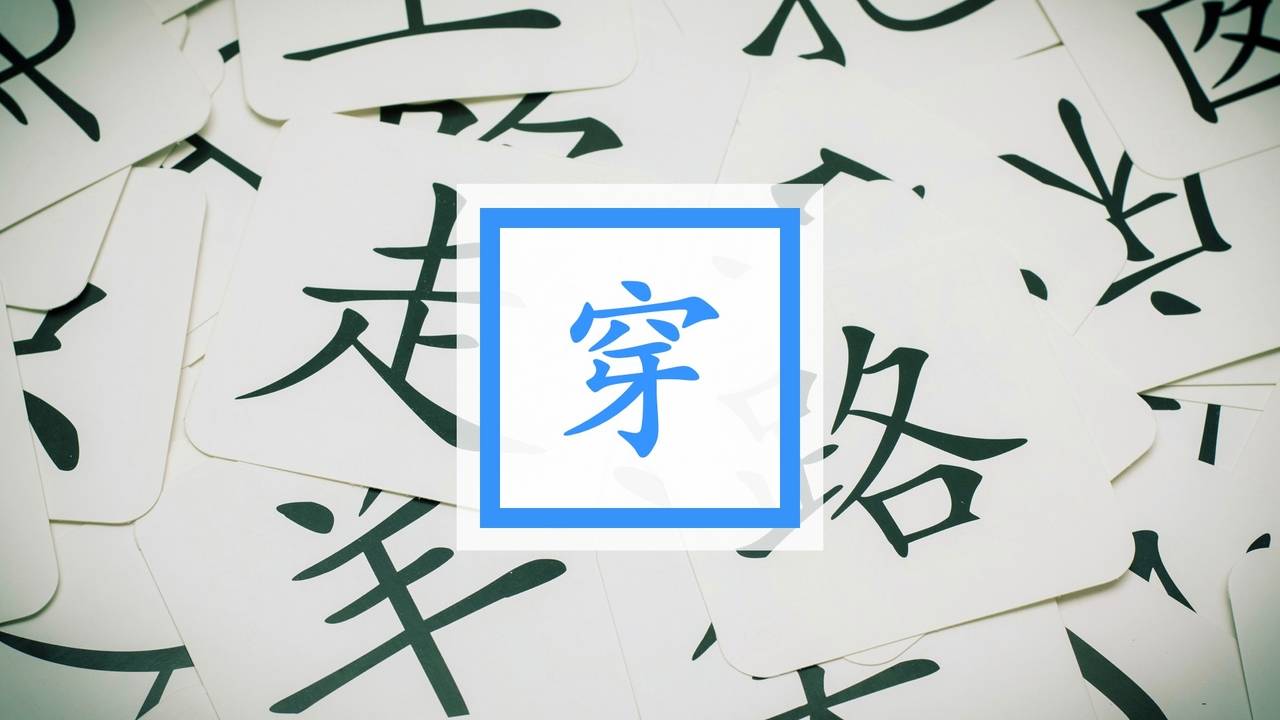
穿 in Context
9
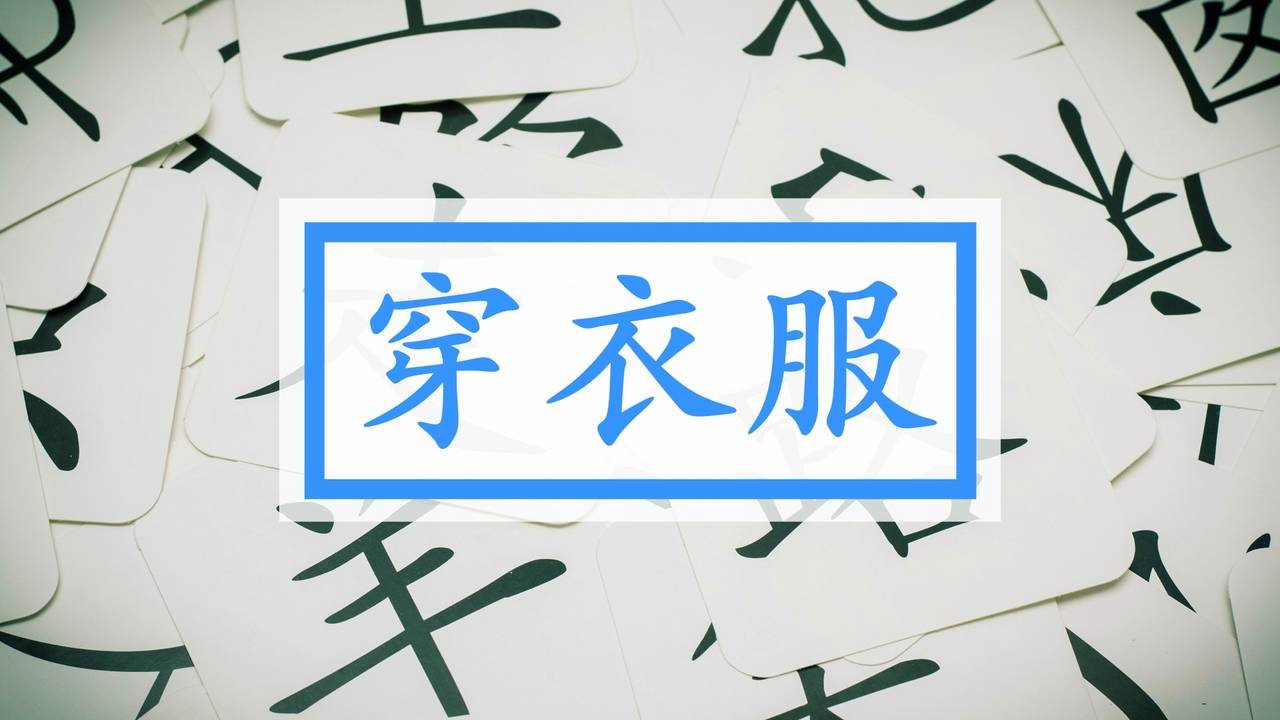
穿衣服 in Context
10
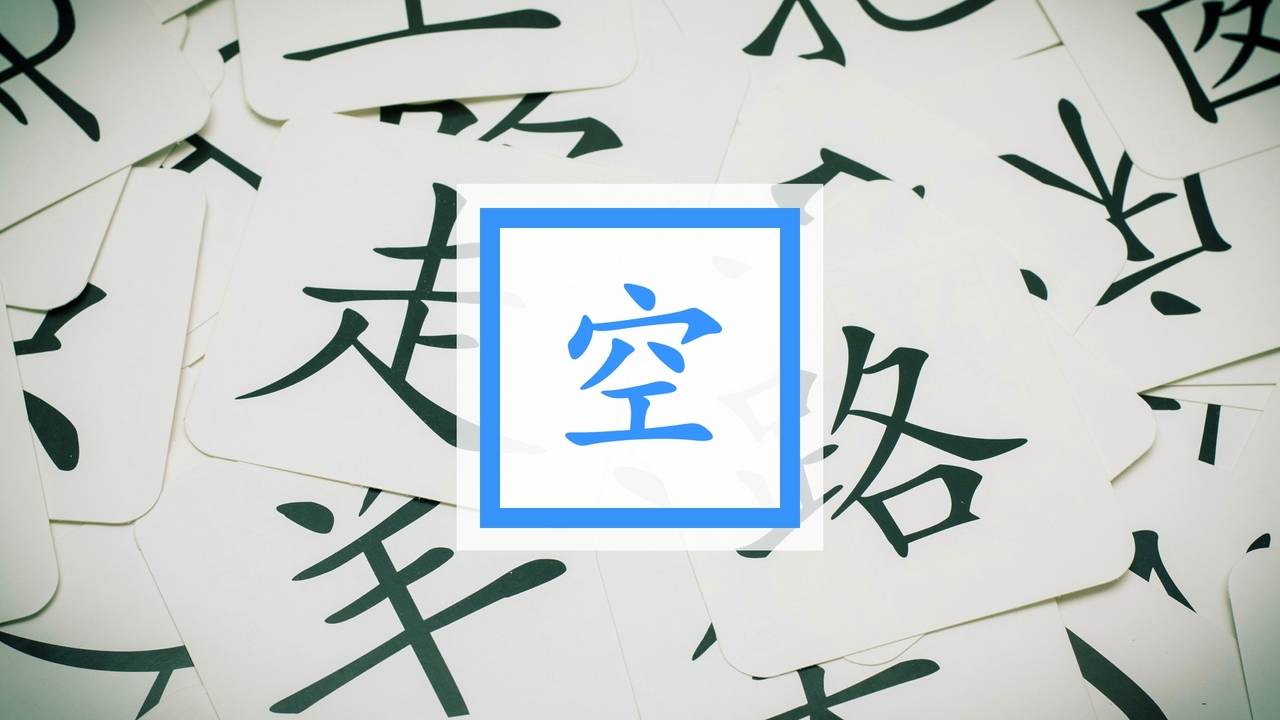
空 in Context
11
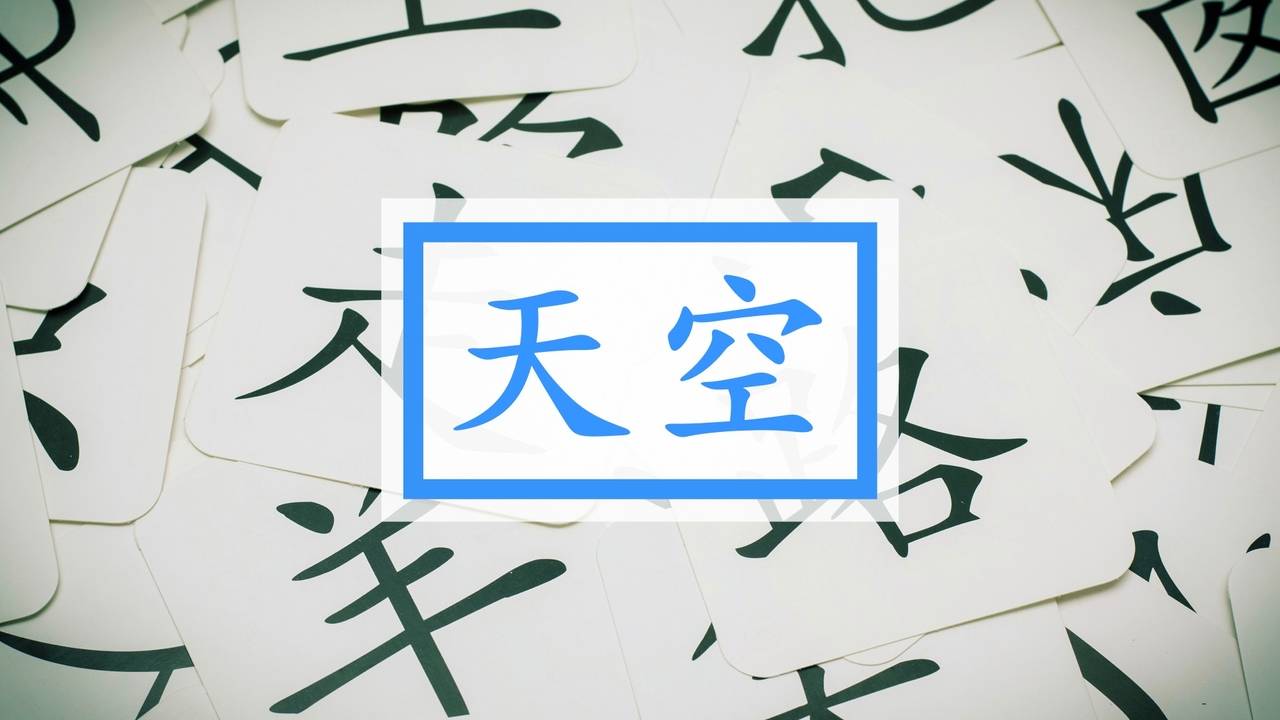
天空 in Context
12
有空 in Context
13
空间 in Context
14
空气 in Context
15
深 in Context
16
正式 in Context
17
试试 in Context
18
刀子 in Context
19
分 in Context
20
分钟 in Context
21
分手 in Context
22
分开 in Context
23
过分 in Context
24
份 in Context
25
月份 in Context
26
切 in Context
27
一切 in Context
28
计划 in Context
29
别 in Context
30
别人 in Context
31
别的 in Context
32

BONUS: Connector - Expressing Exceptions with 除了
33
刚 in Context
34
刚刚 in Context
35

BONUS: “How Does What" - Adverbs of Time
36
刚才 in Context
37
班 in Context
38
上班 in Context
39
下班 in Context
40
加班 in Context
41
前 in Context
42
以前 in Context
43
前天 in Context
44
前面 in Context
45
往前 in Context
46
前边 in Context
Next Character
过分 in Context
CONGRATULATIONS!
A NEW WORD HAS BEEN UNLOCKED
过分
Usage 1 - "over-the-top, excessive, undue":
Sentence
你很过分。
English:
You’re really over-the-top.
Sentence
骂人别太过分了。
English:
When you scold people don't go too far.
Top-Down Words:
别 bié - don’t
Sentence
你这句话说得很过分。
English:
This sentence is excessive.
*Sentence
如果这份爱太过分,那么可能会伤害孩子。
English:
If your love crosses a line then it might harm the child.
Top-Down Words:
如果 rúguǒ - if
份 fèn - measure word for shares, parts or portions (e.g., 'share' of love)
爱 ài - to love
伤害 shānghài - to hurt, to inflict pain or injury
孩子 háizi - child
Need a Reminder?
The Six Steps to Learning Words
Comments 0


Click Here to Search Individual Hanzi 汉字
PHASE 1 (Levels 1-6)
- The Basics - Why Does This Method Work?
- How our Pinyin Chart is Different
- What are Chinese Characters?
- Props
- Sets
- Actors
- Scripts
- Inspiration for Scripts
- Special Effects
- Timeboxing
- Why SRS is So Important: Frequency & Memory
- How to Use SRS
- Habit Building Part 1 - Triggers
- Habit Building Part 2 - Routine
- Habit Building Part 3 - Reward
- Habit Building Part 4 - Belief
- Stroke Order Rule #1
- Stroke Order Rule #2
- Stroke Order Rule #3
- Stroke Order Rule #4
- Stroke Order Rule #5
- Stroke Order Rule #6
- Stroke Order Rule #7
- Stroke Order Rule #8
- Stroke Order Rule #9
- Stroke Order Rule #10
- Stroke Order Rule #11
- Stroke Order Rule #12
PHASE 2 (Levels 7-12)
- Understanding Chinese Words - Morphemes
- The Six Steps to Learning Words
- 3 Questions About Words
- Top-Down & Bottom-Up Learning
Living Links Series
Word Structure Series
- Part 1 - What are Chinese Words?
- Part 2 - Verb-What 述宾式
- Part 3 - Verb-How 补充式
- Part 4 - Biased 偏正式
- Part 5 - Parallel 并列式
- Part 6 - Duplicated 重叠式
- Part 7 - Subject-Predicate 主谓式
- Part 8 - Affixed 附加式
PHASE 3 (Levels 13-20)
- The Basic Chinese Sentence
- Helper - Expressing Possession with 的
- Helper - When You Can Omit 的
- Helper - Completed Actions with 了
- Helper - Change of State with 了
- Helper - Present Actions with 着
- Connector - Saying 'But' with 但是 - 可是 - 不过
- Connector - Reasons & Actions with 因为..., 所以...
- Connector - Conditional "If-Then" Statements with 如果..., 就
- Connector - Conditional "If-Then" Statements with 要是...的话
- Connector - "Or" in Questions with 还是
- Connector - “Or" in Statements with 或/或者
- Relator - Using 为 to Express "For"
- Relator - Expressing "From" with 从
- Relator - Expressing Location with 在
- Special - Using 在 as a Verb
- Tone - Softening Tone of Voice with 呢
- “How Does What" - Adverbs of Denial
- “How Does What" - Adverbs of Degree
PHASE 4 (Levels 21-30)
Level 21
- Transferring Money by Smartphone or Bank
- Walk in the Park?! I Have 汉字 to Study!
- Who Determine's a Baby's Looks, Mom or Dad?
Level 22
- How Many Pages of the Book Have You Read?
- Many People Don't Want to Have Babies
- My Girlfriend Can Really Eat!
- What Do You Like to Do?
- What Method Works for Learning Chinese?
Level 23
- Eating Bread
- I Met My Girlfriend in the Park
- Something is Different About My Dog Lately
- The Older Brother is Better Than the Younger Brother
- The Right and Left Side of the Office
- Three Meals a Day
Level 24
- Annoying People
- Breaking Up at the End of the Date
- Going on a Date
- My Two Friends and I
- Overtime at Work
- Red Packets
- Two People in a Relationship
Level 25
- I Want to Find a Boyfriend Too
- My Dad and I
- My Dog Chouchou
- The Big Changes of China
- The Weather is Great, Let's Go to the Park!
- Xiaomei and Her Boyfriend's Day
Level 26
Level 27
- American Journalist Studies Chinese in China
- Can I Still Learn Chinese Anymore?
- Should I Change?
- Children and Their Parents
- Foreigner's Opinion of China
- What Do You Want to Be When You Grow Up?
Level 28
- Daughter & Mother
- Son's Eighth Birthday
- Study, Work & Life
- What's More Important, Looks, or Ability?
Level 29
- Advertisements
- Buying Tickets at Chinese New Year
- Everybody Restaurant
- How Does One Progress
- Son is Out of Control
Level 30
- Cars, Bicycles & Trains
- Potatoes & Beef
- Two Ladies Compare Who's Got it Better
- Young People Raising Cats and Dogs
Phase 4 Grammar Points
Get Involved!
Have any questions about the course? Want to share an interesting "movie scene?" How about an Actor, Set or Prop? Just leave a comment below the lesson in question and we'll talk about it in our weekly podcast!

Keep on learning with us!
We make frequent blog updates that will make you SUPER motivated as you keep climbing the "acquisition mountain." Check it out and subscribe!