

Level 24 - Vocab in Context
46 Lessons
1
红 in Context
2
红包 in Context
3
约 in Context
4

约会 in Context
5
合法 in Context
6
给 in Context
7
拿 in Context
8
穿 in Context
9
穿衣服 in Context
10
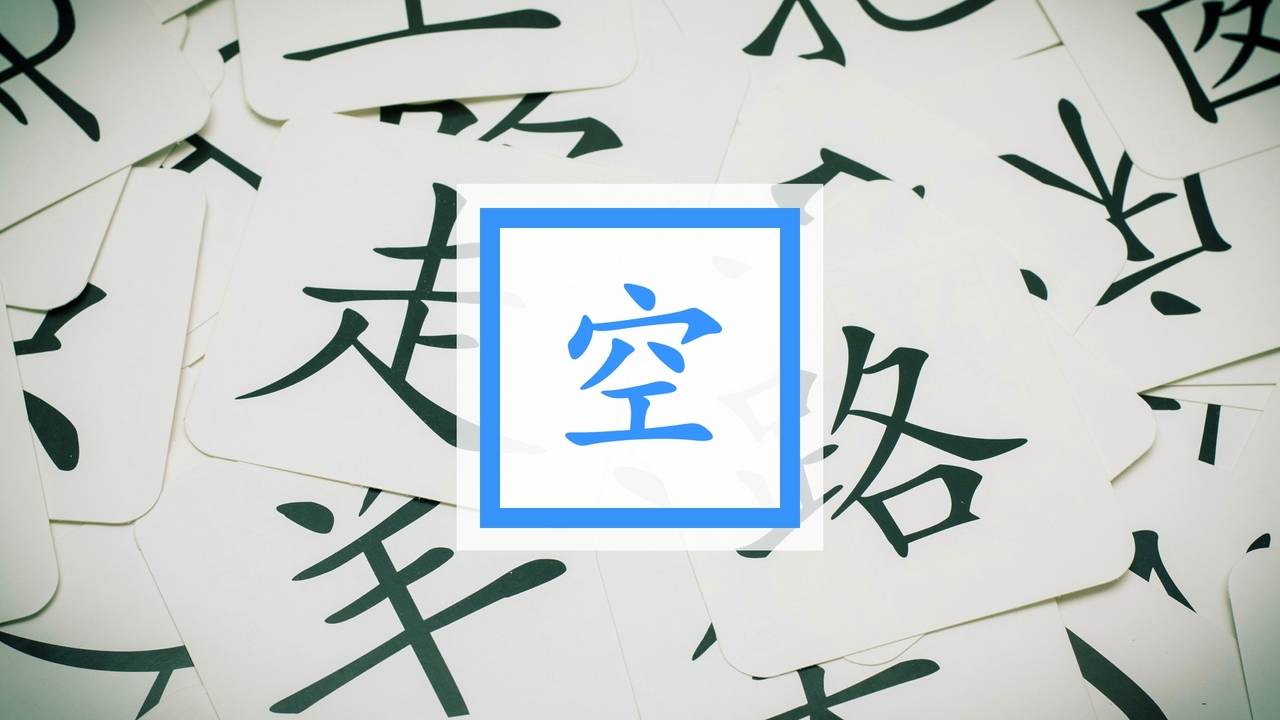
空 in Context
11
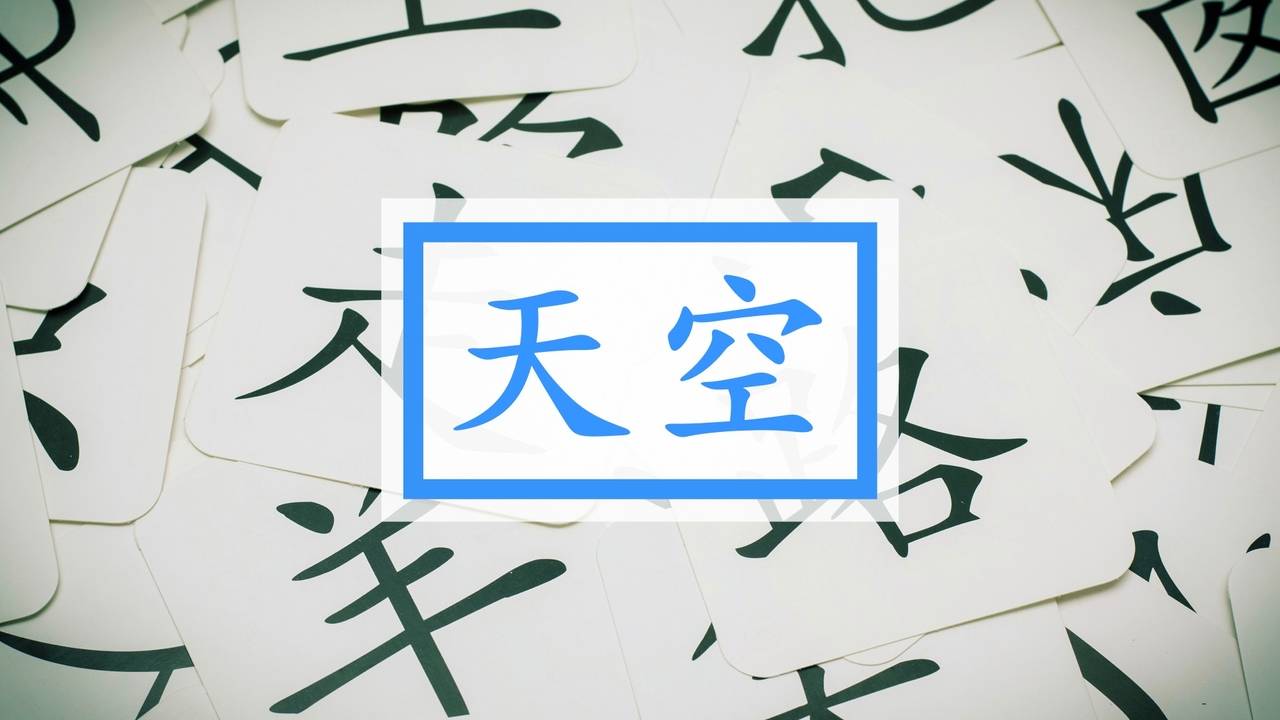
天空 in Context
12
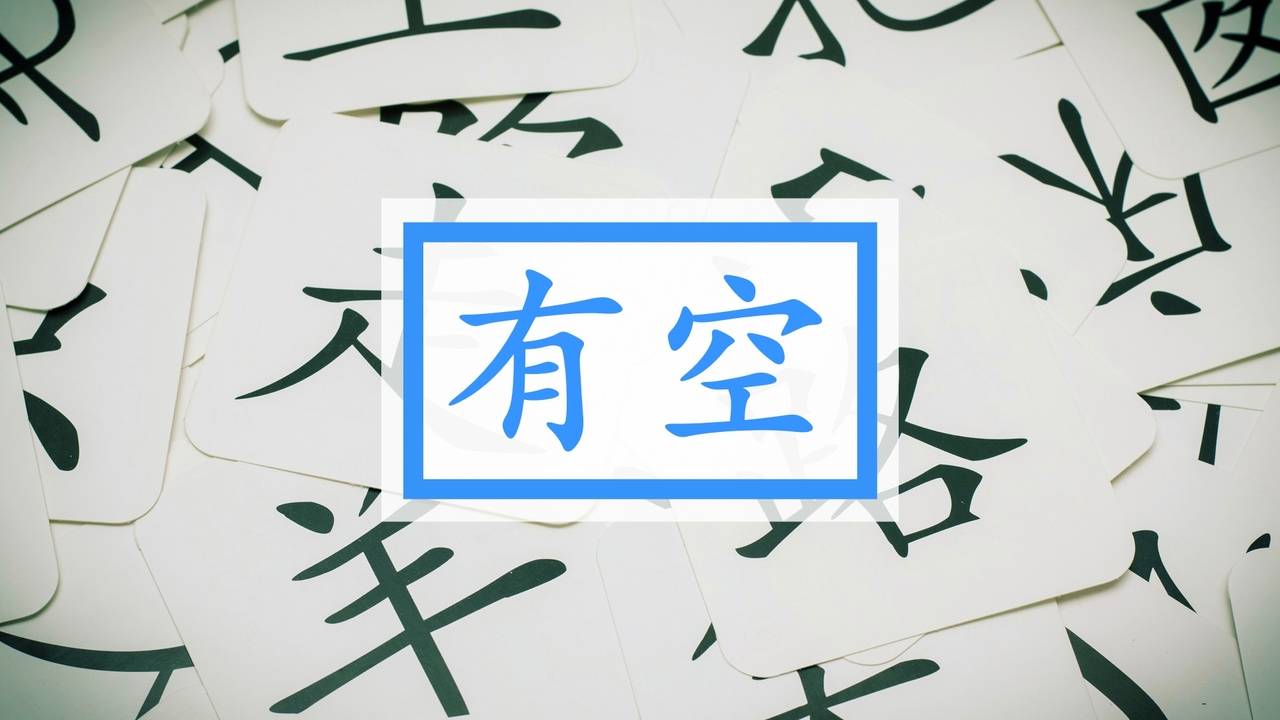
有空 in Context
13
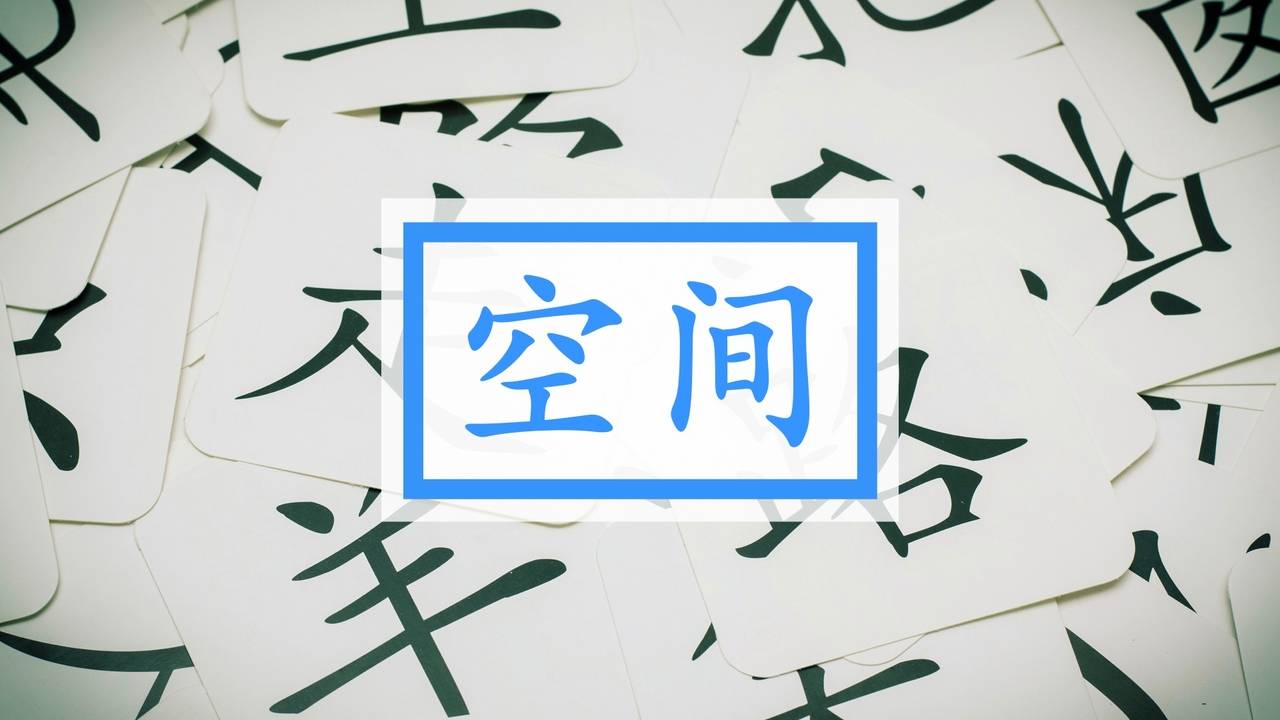
空间 in Context
14
空气 in Context
15
深 in Context
正式 in Context
17
试试 in Context
18
刀子 in Context
19
分 in Context
20
分钟 in Context
21
分手 in Context
22
分开 in Context
23
过分 in Context
24
份 in Context
25
月份 in Context
26
切 in Context
27
一切 in Context
28
计划 in Context
29
别 in Context
30
别人 in Context
31
别的 in Context
32
BONUS: Connector - Expressing Exceptions with 除了
33
刚 in Context
34
刚刚 in Context
35
BONUS: “How Does What" - Adverbs of Time
36
刚才 in Context
37
班 in Context
38
上班 in Context
39
下班 in Context
40
加班 in Context
41
前 in Context
42
以前 in Context
43
前天 in Context
44
前面 in Context
45
往前 in Context
46
前边 in Context
Next Character
正式 in Context
CONGRATULATIONS!
A NEW WORD HAS BEEN UNLOCKED
正式
Usage 1 - "formal":
Sentence
他们正式成为夫妻。
English:
They formally became husband and wife.
Top-Down Words:
成为 chéngwéi - to become, to turn into, to come to be
夫妻 fūqī - husband & wife
Sentence
我正式找他谈话了
English:
I found him to have a formal discussion.
Top-Down Words:
谈话 tánhuà - discuss, discussion
Sentence
今天我们正式成为合法夫妻.
English:
Today we officially became husband and wife under the law.
Top-Down Words:
成为 chéngwéi - to become, to turn into, to come to be
夫妻 fūqī - husband & wife
*Sentence
两个人正式在一起以后,那你的心只能是一个人的了。
English:
After two people have officially been together, then one's heart only belongs to one person.
Sentence
我们6月正式在一起了。
English:
We've officially been together since June.
Need a Reminder?
The Six Steps to Learning Words
Understanding Chinese Words - Morphemes
Member Comments from 2019-mid-2020
Do you also want to leave a comment? You can do so below!
William Beeman
Hi
In 那你的心只能是一个人的了, is it the case that 你 can be used as "one" (neutral "pronoun") just as it is often used in English as a general rule? That's how you seem to have translated it, but is it really understood that way in normal Chinese discourse?Mandarin Blueprint
Sure, just depends on the context. Are you telling someone a story? Are you teaching someone? Are you giving a command? The different contexts would affect your phrasing. BTW, this sentence is a part of a longer piece of content that will give you said context ;).
William Beeman
This kind of "impersonal" construction is common in just about every language and it is usually formulaic (Fr. on dit; Ger. man sagt; Ital. si parla--none using the second person singular pronoun). My question had to do with specifically the use of 你 for this purpose as "you can" in English, and whether it is similarly formulaic. Thanks!
Billy Blithersunson
The sentence 我正式找他谈话了 seems such an odd sentence, are you saying you officially found him for a discussion or that the discussion was formal?
I can't work out the context with the character order, would something like 为正式谈话我找他了 also work here?
Mandarin Blueprint
Think of 正式 as applying to the entire remainder of the sentence as opposed to just 找. The speaker is likely just trying to convey that the purpose of looking for 他 to have a discussion is important and formal. Perhaps this slightly more complicated sentence would make it more transparent:
我所有的资料都准备好了以后,我正式找他谈话了。
After all my materials were prepared, I officially looked for him to talk.
所有 suǒyǒu - all
资料 zīliào - materials
都 dōu - (prep) all
准备 zhǔnbèi - prepareIn that context, you can imagine why the speaker might say "正式." The sentence you suggested in a different meaning (and also should include 就 after 我) because it's saying that "looking for him" was "for the purpose of a formal discussion." In the original sentence, it's not "for" any explicit reason.
Billy Blithersunson
Awesome, that makes things clearer. Sincerely appreciate all the detailed responses you guys give back
MB Team
Here's the link to where Phil and Luke talked about this comment in the Mandarin Blueprint Podcast: https://www.youtube.com/watch?v=S3ucqY6X-FM&t=2235s
Comments 3


Click Here to Search Individual Hanzi 汉字
PHASE 1 (Levels 1-6)
- The Basics - Why Does This Method Work?
- How our Pinyin Chart is Different
- What are Chinese Characters?
- Props
- Sets
- Actors
- Scripts
- Inspiration for Scripts
- Special Effects
- Timeboxing
- Why SRS is So Important: Frequency & Memory
- How to Use SRS
- Habit Building Part 1 - Triggers
- Habit Building Part 2 - Routine
- Habit Building Part 3 - Reward
- Habit Building Part 4 - Belief
- Stroke Order Rule #1
- Stroke Order Rule #2
- Stroke Order Rule #3
- Stroke Order Rule #4
- Stroke Order Rule #5
- Stroke Order Rule #6
- Stroke Order Rule #7
- Stroke Order Rule #8
- Stroke Order Rule #9
- Stroke Order Rule #10
- Stroke Order Rule #11
- Stroke Order Rule #12
PHASE 2 (Levels 7-12)
- Understanding Chinese Words - Morphemes
- The Six Steps to Learning Words
- 3 Questions About Words
- Top-Down & Bottom-Up Learning
Living Links Series
Word Structure Series
- Part 1 - What are Chinese Words?
- Part 2 - Verb-What 述宾式
- Part 3 - Verb-How 补充式
- Part 4 - Biased 偏正式
- Part 5 - Parallel 并列式
- Part 6 - Duplicated 重叠式
- Part 7 - Subject-Predicate 主谓式
- Part 8 - Affixed 附加式
PHASE 3 (Levels 13-20)
- The Basic Chinese Sentence
- Helper - Expressing Possession with 的
- Helper - When You Can Omit 的
- Helper - Completed Actions with 了
- Helper - Change of State with 了
- Helper - Present Actions with 着
- Connector - Saying 'But' with 但是 - 可是 - 不过
- Connector - Reasons & Actions with 因为..., 所以...
- Connector - Conditional "If-Then" Statements with 如果..., 就
- Connector - Conditional "If-Then" Statements with 要是...的话
- Connector - "Or" in Questions with 还是
- Connector - “Or" in Statements with 或/或者
- Relator - Using 为 to Express "For"
- Relator - Expressing "From" with 从
- Relator - Expressing Location with 在
- Special - Using 在 as a Verb
- Tone - Softening Tone of Voice with 呢
- “How Does What" - Adverbs of Denial
- “How Does What" - Adverbs of Degree
PHASE 4 (Levels 21-30)
Level 21
- Transferring Money by Smartphone or Bank
- Walk in the Park?! I Have 汉字 to Study!
- Who Determine's a Baby's Looks, Mom or Dad?
Level 22
- How Many Pages of the Book Have You Read?
- Many People Don't Want to Have Babies
- My Girlfriend Can Really Eat!
- What Do You Like to Do?
- What Method Works for Learning Chinese?
Level 23
- Eating Bread
- I Met My Girlfriend in the Park
- Something is Different About My Dog Lately
- The Older Brother is Better Than the Younger Brother
- The Right and Left Side of the Office
- Three Meals a Day
Level 24
- Annoying People
- Breaking Up at the End of the Date
- Going on a Date
- My Two Friends and I
- Overtime at Work
- Red Packets
- Two People in a Relationship
Level 25
- I Want to Find a Boyfriend Too
- My Dad and I
- My Dog Chouchou
- The Big Changes of China
- The Weather is Great, Let's Go to the Park!
- Xiaomei and Her Boyfriend's Day
Level 26
Level 27
- American Journalist Studies Chinese in China
- Can I Still Learn Chinese Anymore?
- Should I Change?
- Children and Their Parents
- Foreigner's Opinion of China
- What Do You Want to Be When You Grow Up?
Level 28
- Daughter & Mother
- Son's Eighth Birthday
- Study, Work & Life
- What's More Important, Looks, or Ability?
Level 29
- Advertisements
- Buying Tickets at Chinese New Year
- Everybody Restaurant
- How Does One Progress
- Son is Out of Control
Level 30
- Cars, Bicycles & Trains
- Potatoes & Beef
- Two Ladies Compare Who's Got it Better
- Young People Raising Cats and Dogs
Phase 4 Grammar Points

Get Involved!
Have any questions about the course? Want to share an interesting "movie scene?" How about an Actor, Set or Prop? Just leave a comment below the lesson in question and we'll talk about it in our weekly podcast!

Keep on learning with us!
We make frequent blog updates that will make you SUPER motivated as you keep climbing the "acquisition mountain." Check it out and subscribe!
Hannah van der Bijl
Popping in to say I love how, as we keep building our vocabulary and using previously learned characters (like 正), my sense of the characters' various meanings just gets further enriched by how they're used in these new words and sentences. Hurray for effective scaffolding!
Mandarin Blueprint
这个反馈就是我们追求的那种,谢谢!
MB Team
This is where Luke and Phil talked about your question in the Mandarin Blueprint Podcast: https://www.youtube.com/watch?v=9TBdhGKYiM4&t=1094s