

Level 24 - Vocab in Context
46 Lessons
1
红 in Context
2
红包 in Context
3
约 in Context
4
约会 in Context
5
合法 in Context
6
给 in Context
7
拿 in Context
8
穿 in Context
9
穿衣服 in Context
10
空 in Context
11
天空 in Context
12
有空 in Context
13
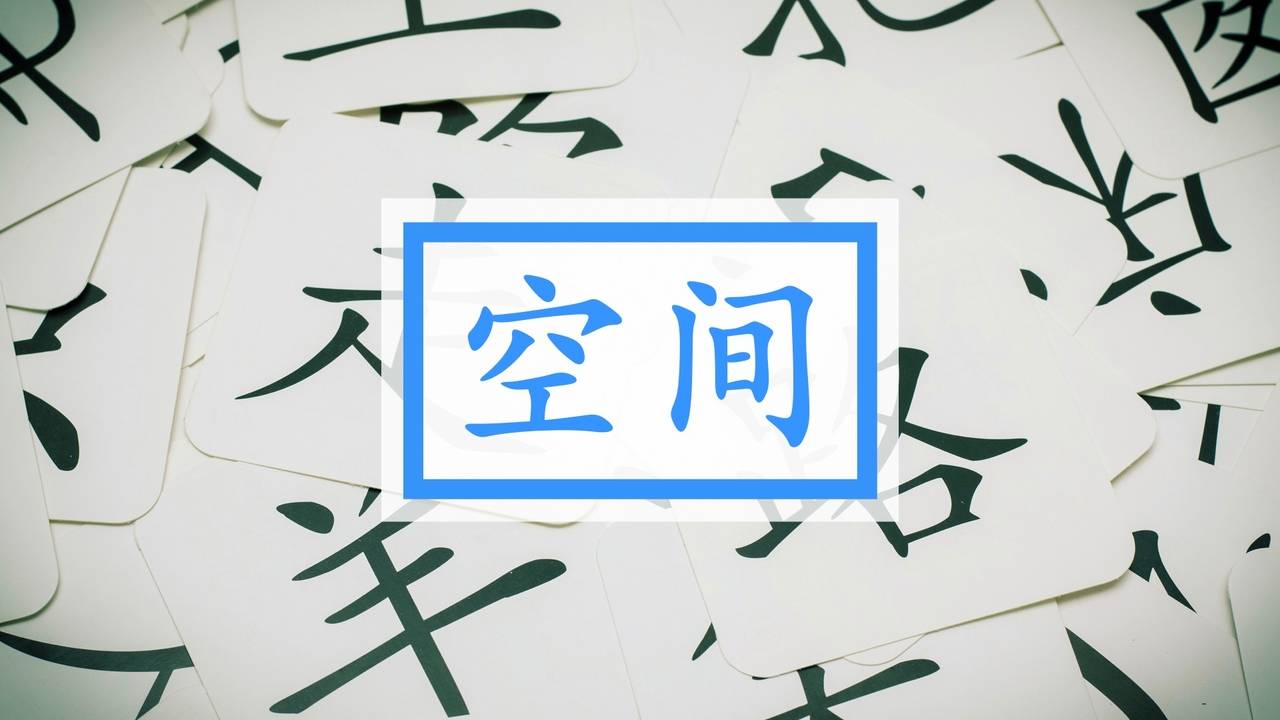
空间 in Context
14
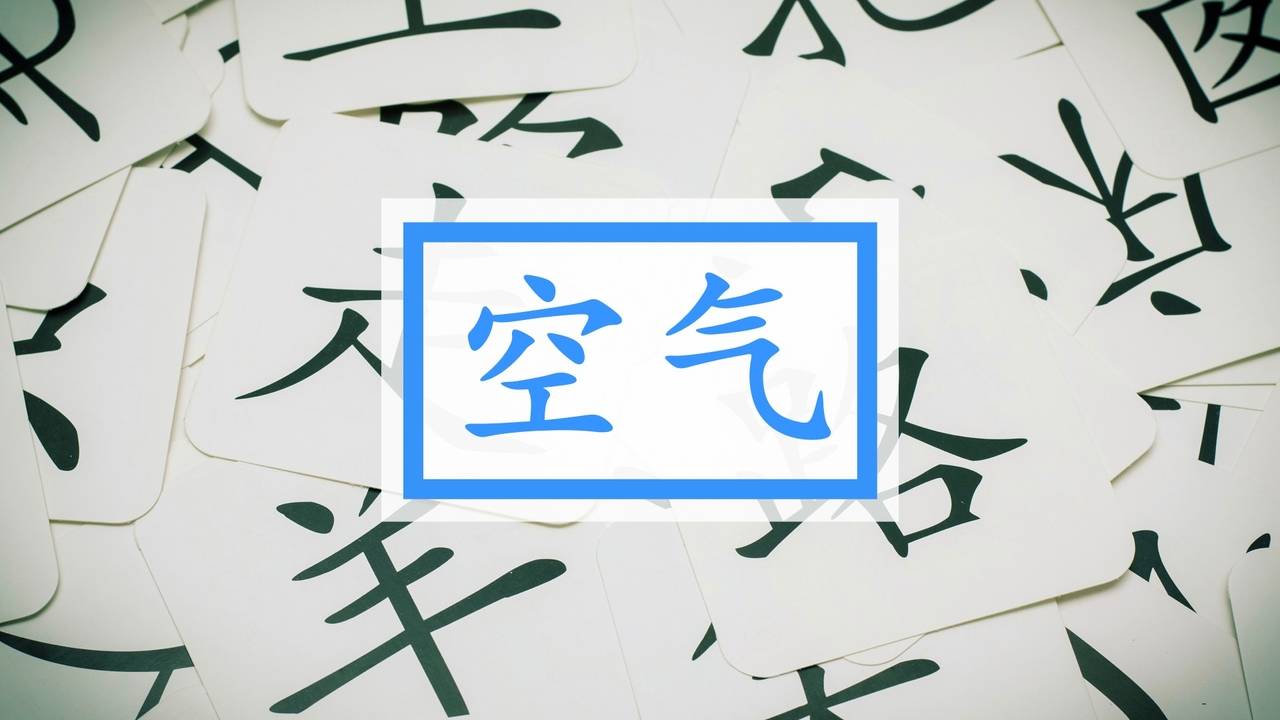
空气 in Context
15
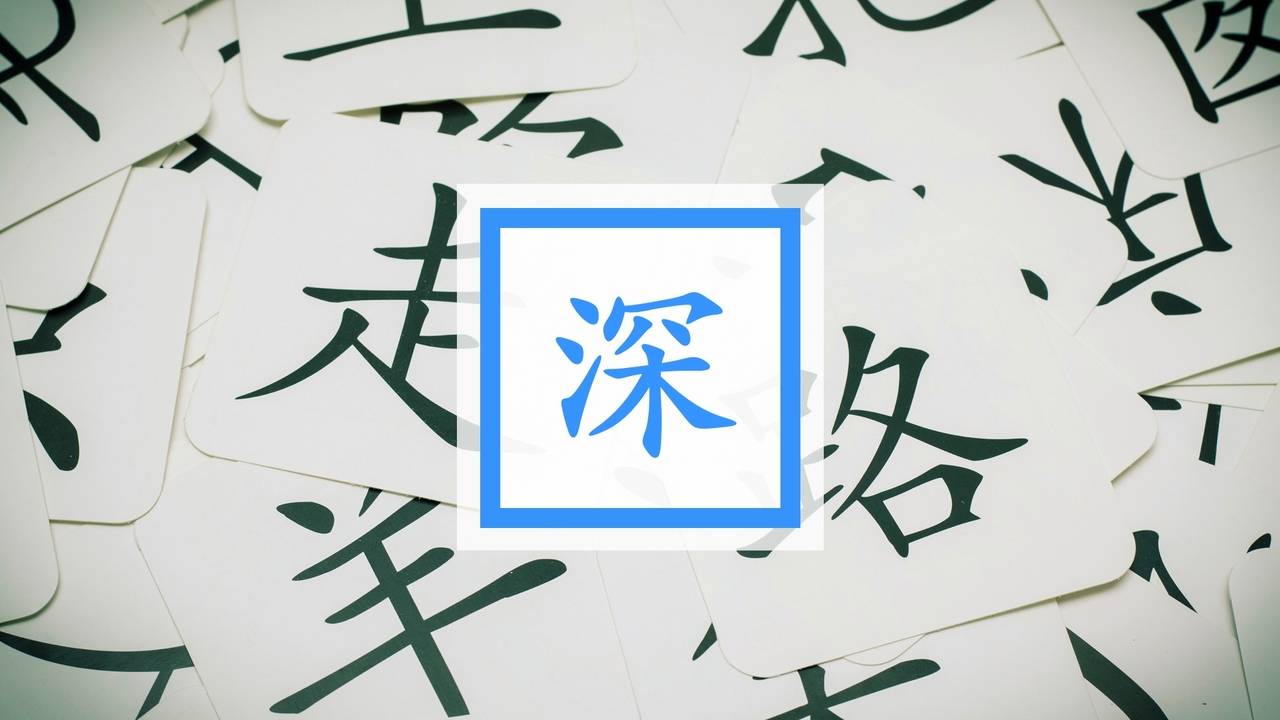
深 in Context
16
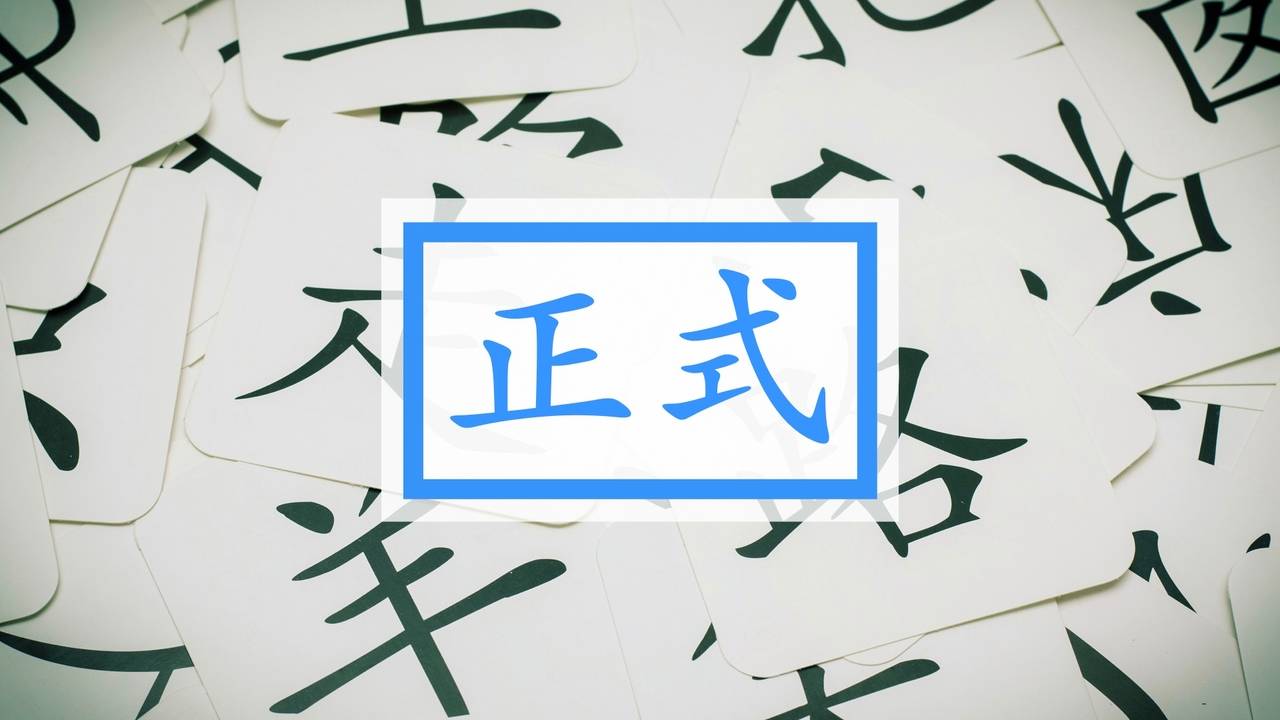
正式 in Context
17
试试 in Context
18
刀子 in Context
19
分 in Context
20
分钟 in Context
21
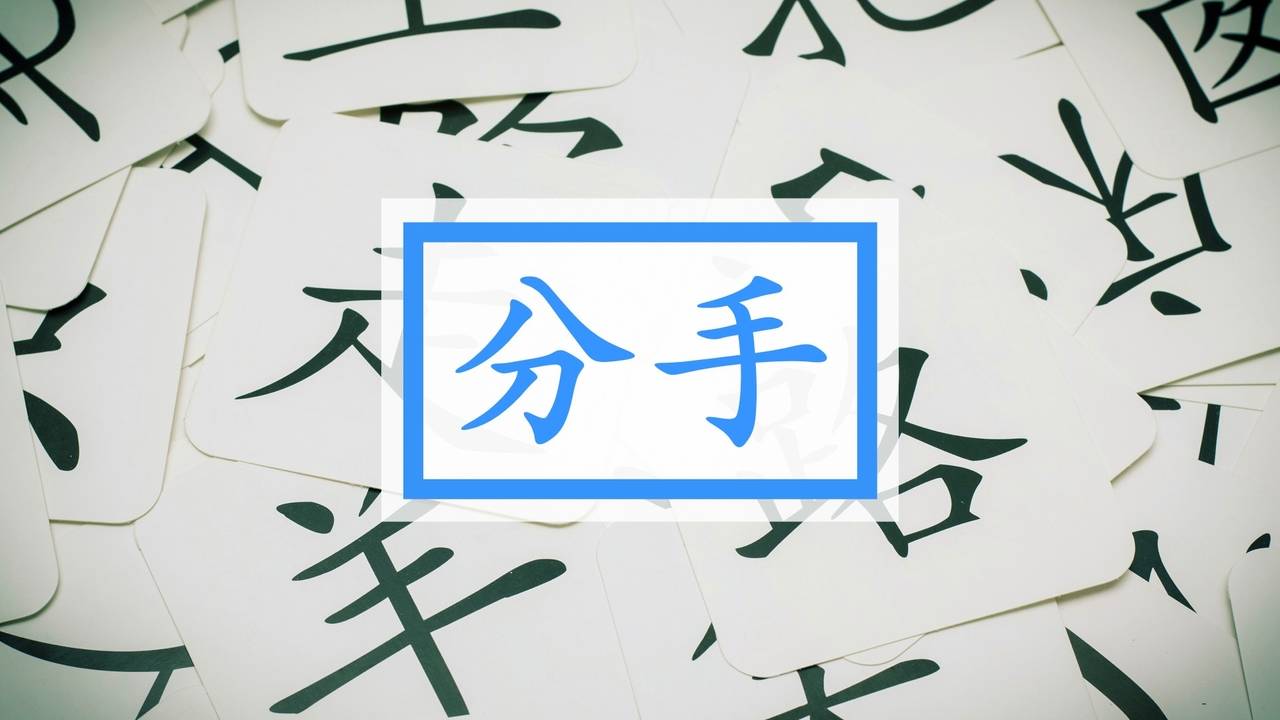
分手 in Context
22
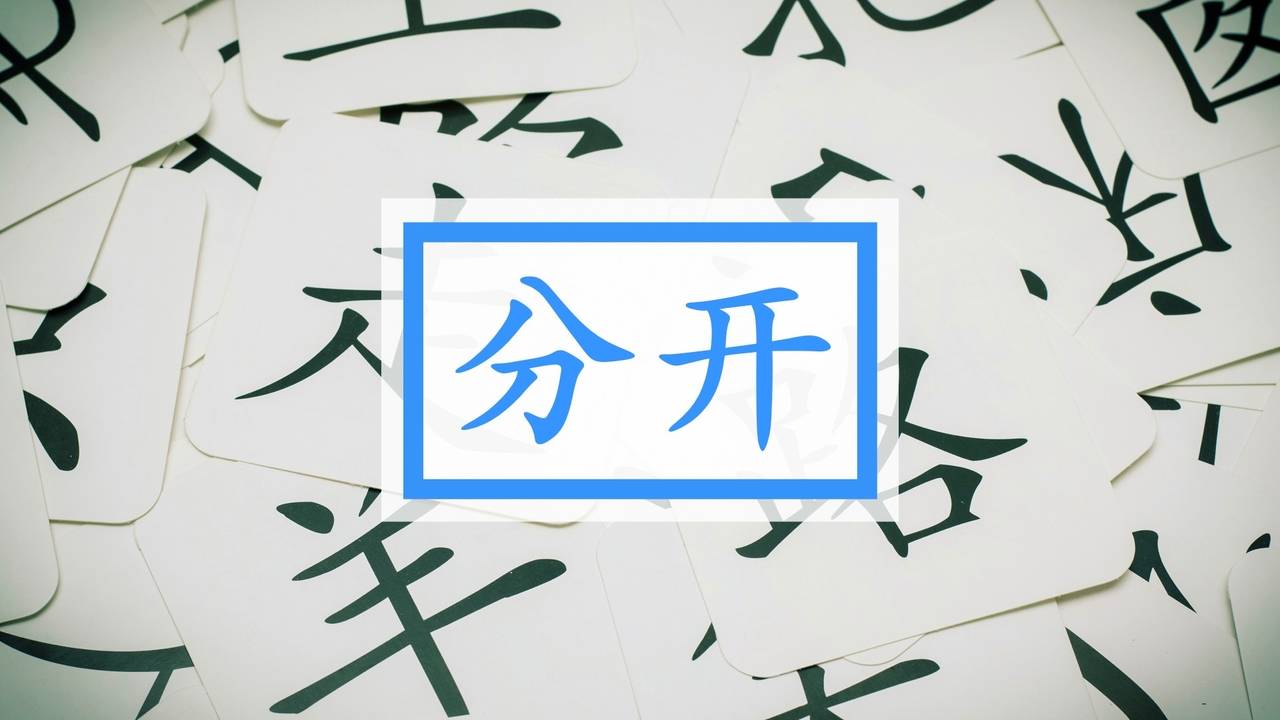
分开 in Context
23
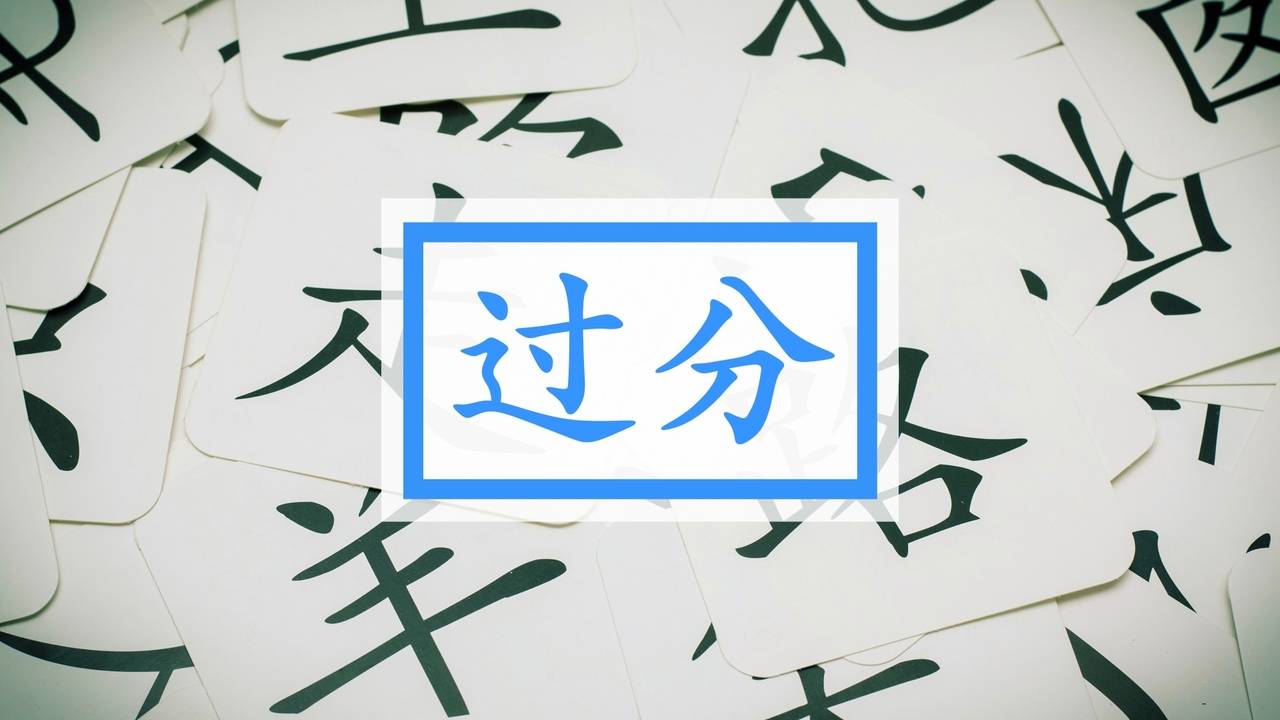
过分 in Context
24
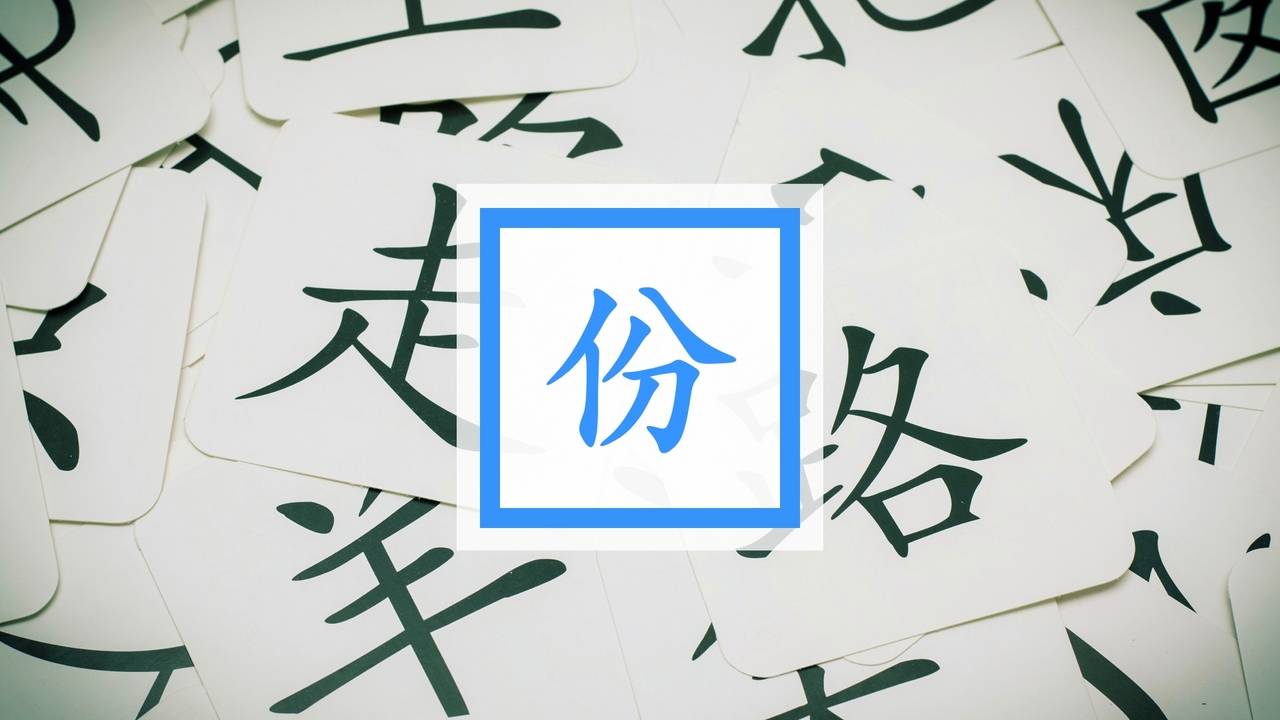
份 in Context
25
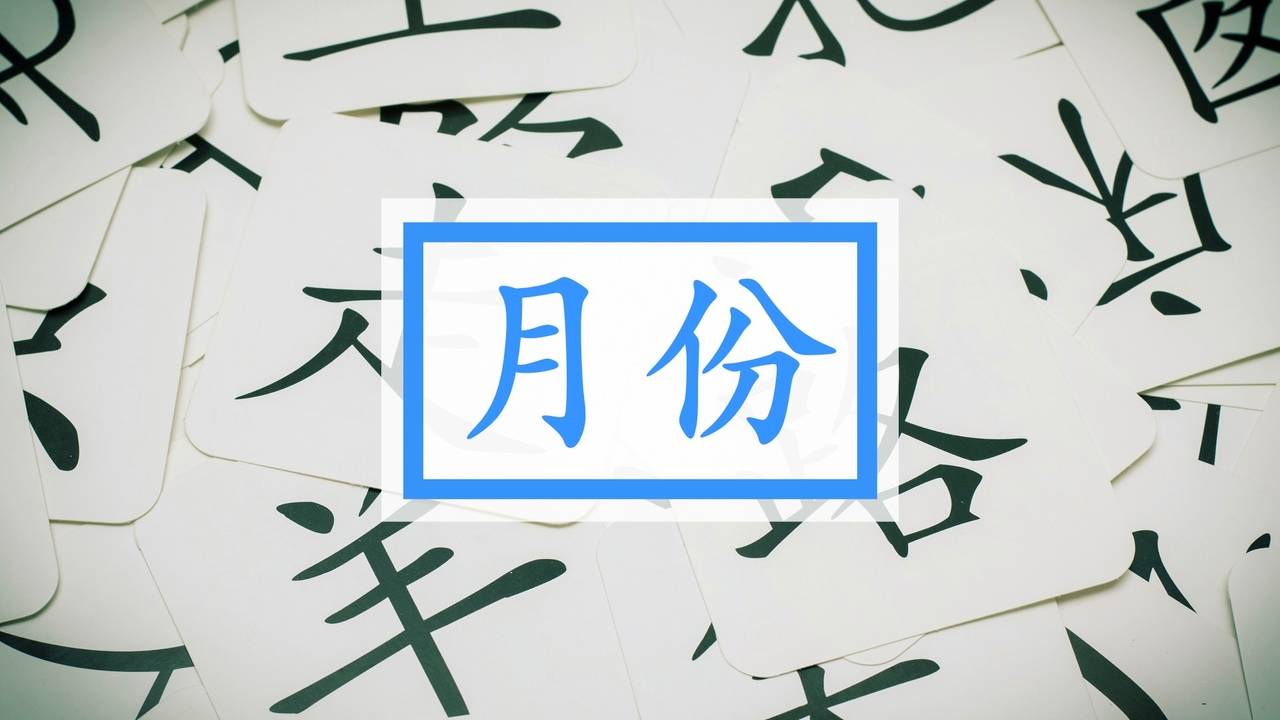
月份 in Context
26
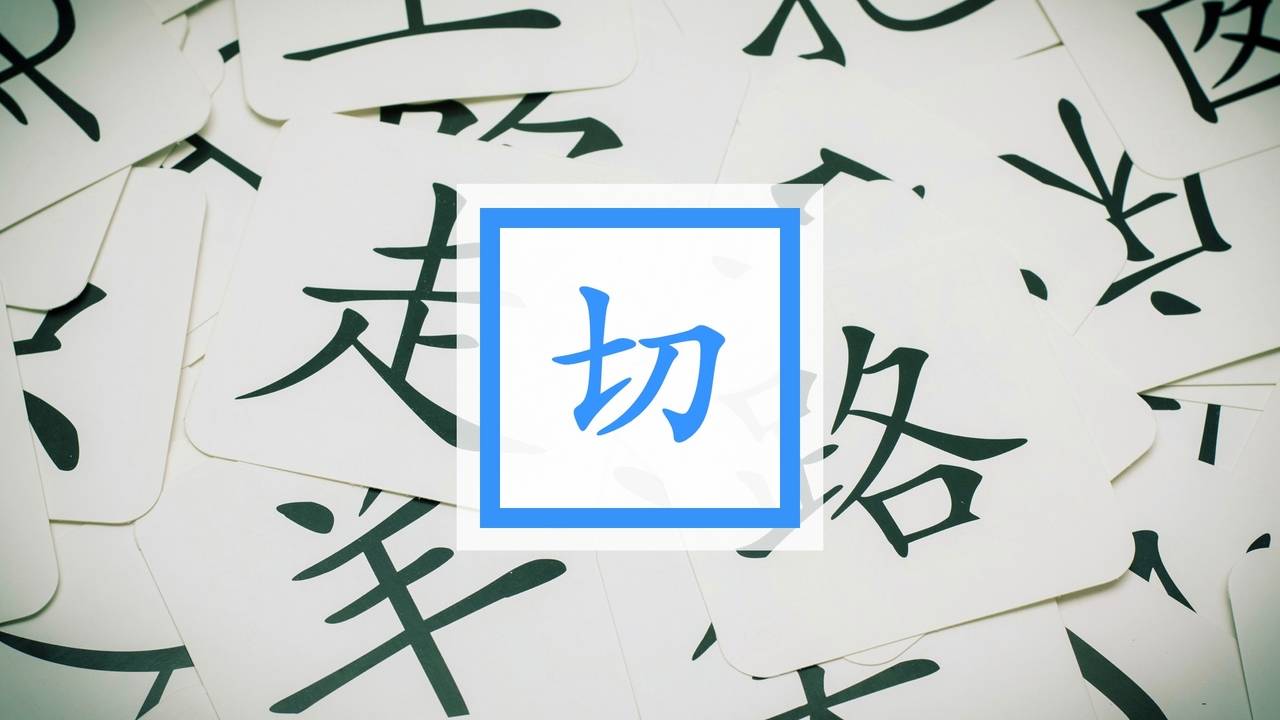
切 in Context
27
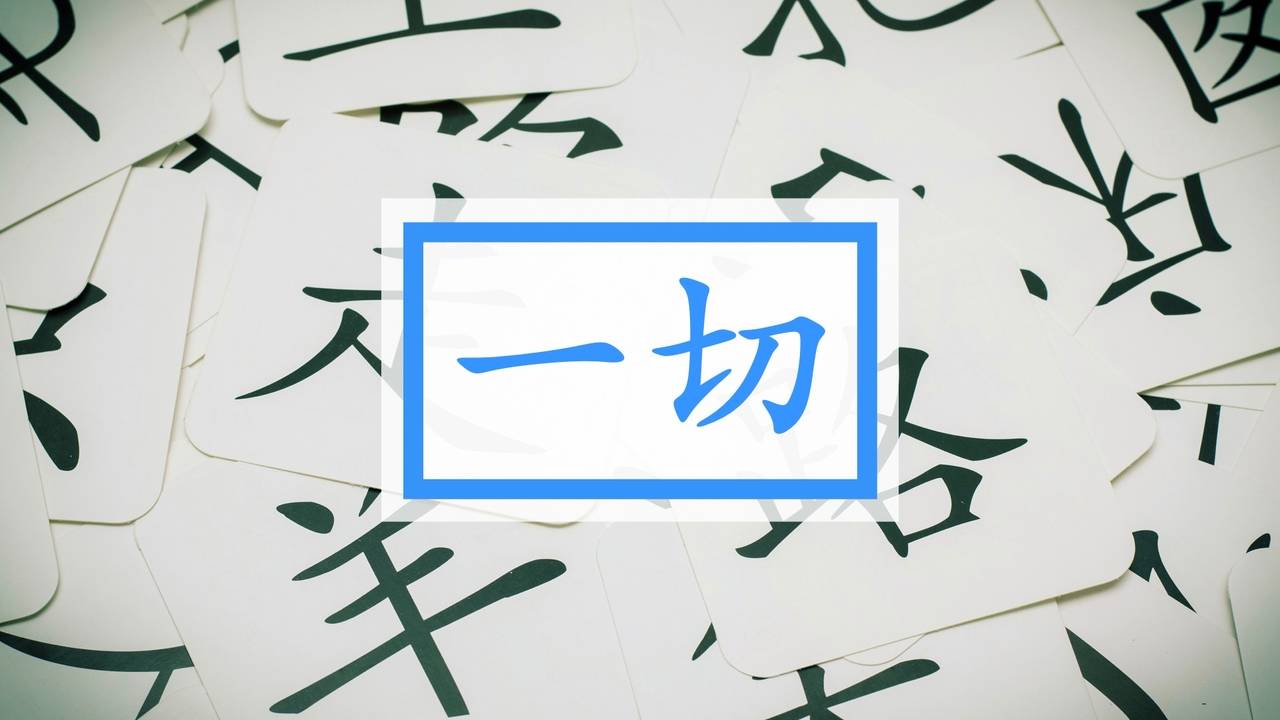
一切 in Context
28
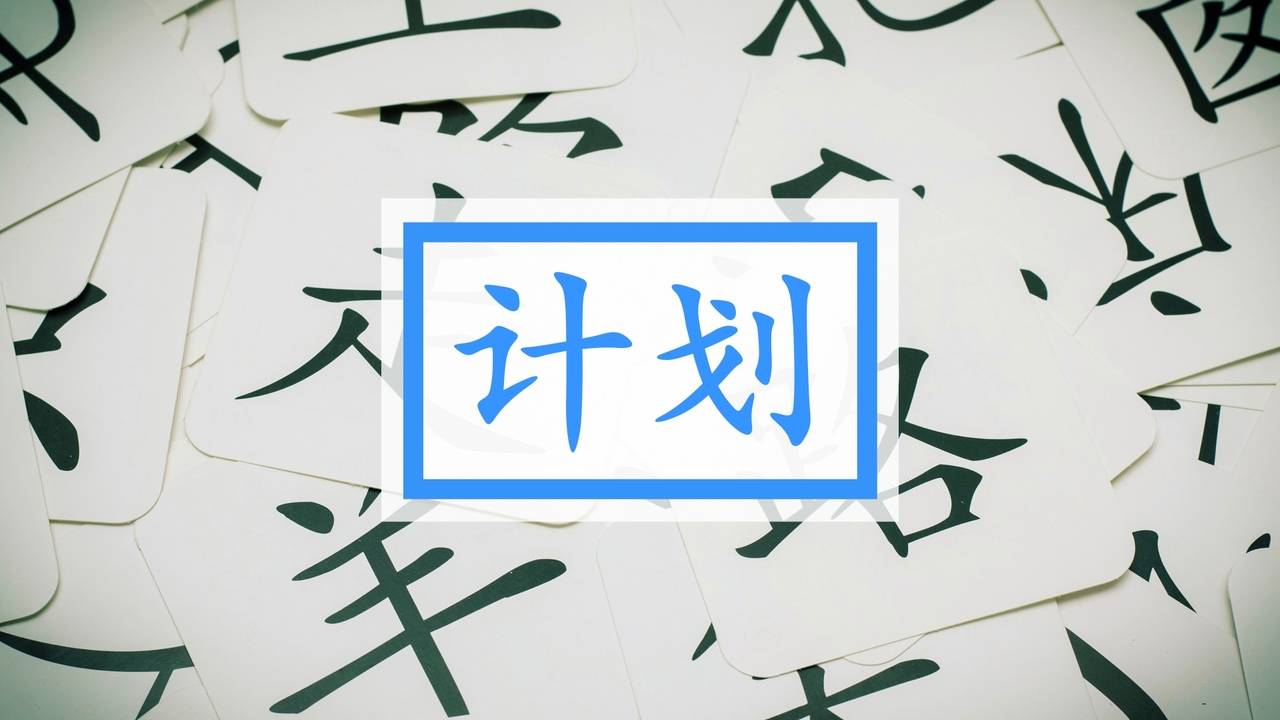
计划 in Context
29
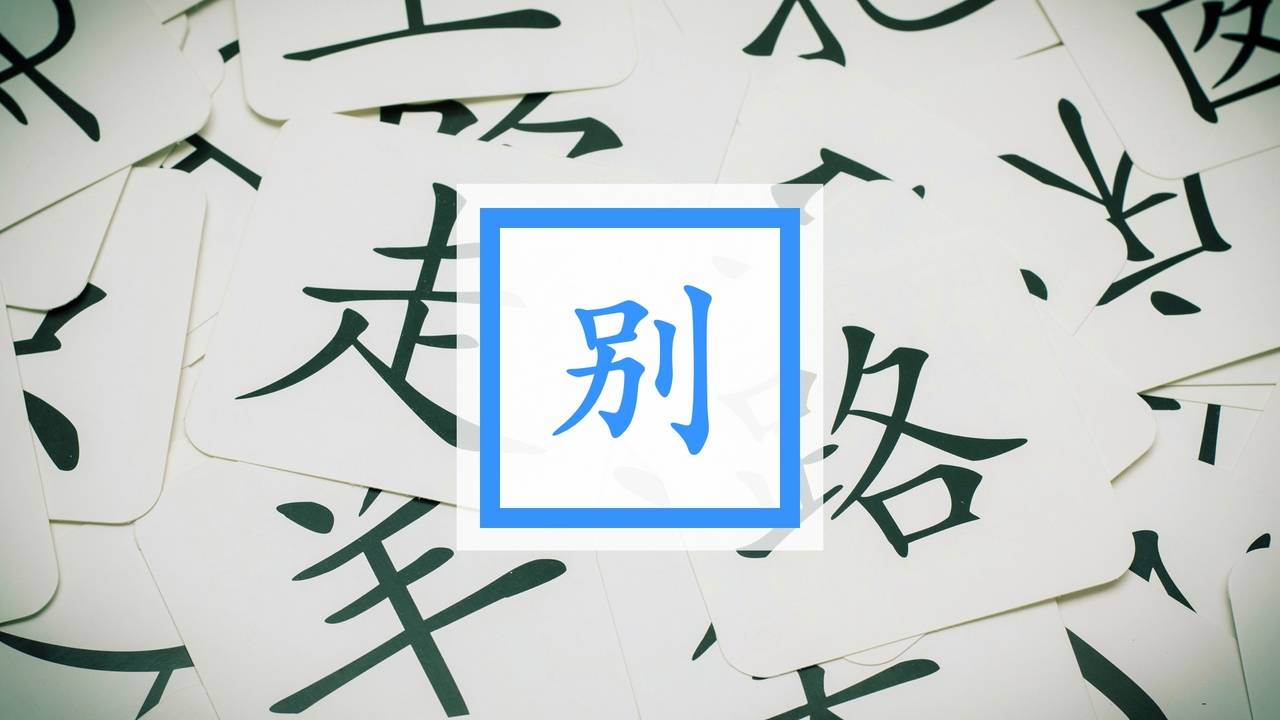
别 in Context
30
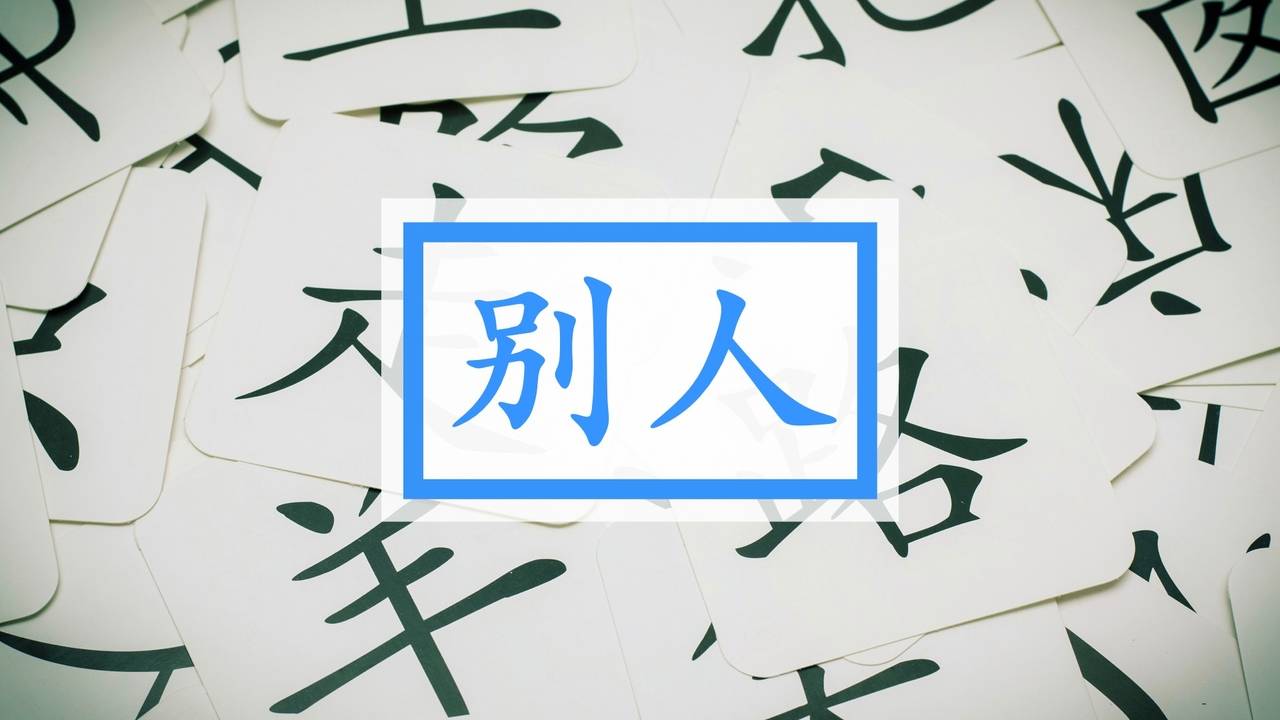
别人 in Context
31
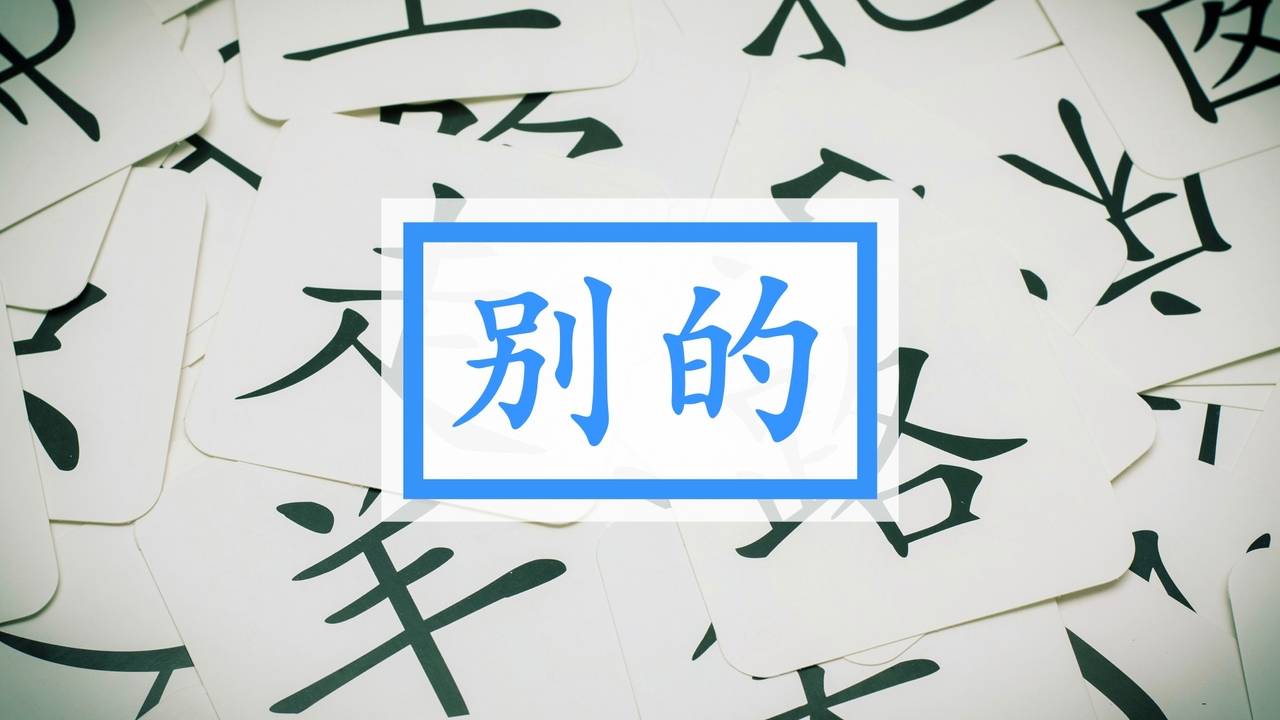
别的 in Context
BONUS: Connector - Expressing Exceptions with 除了
33
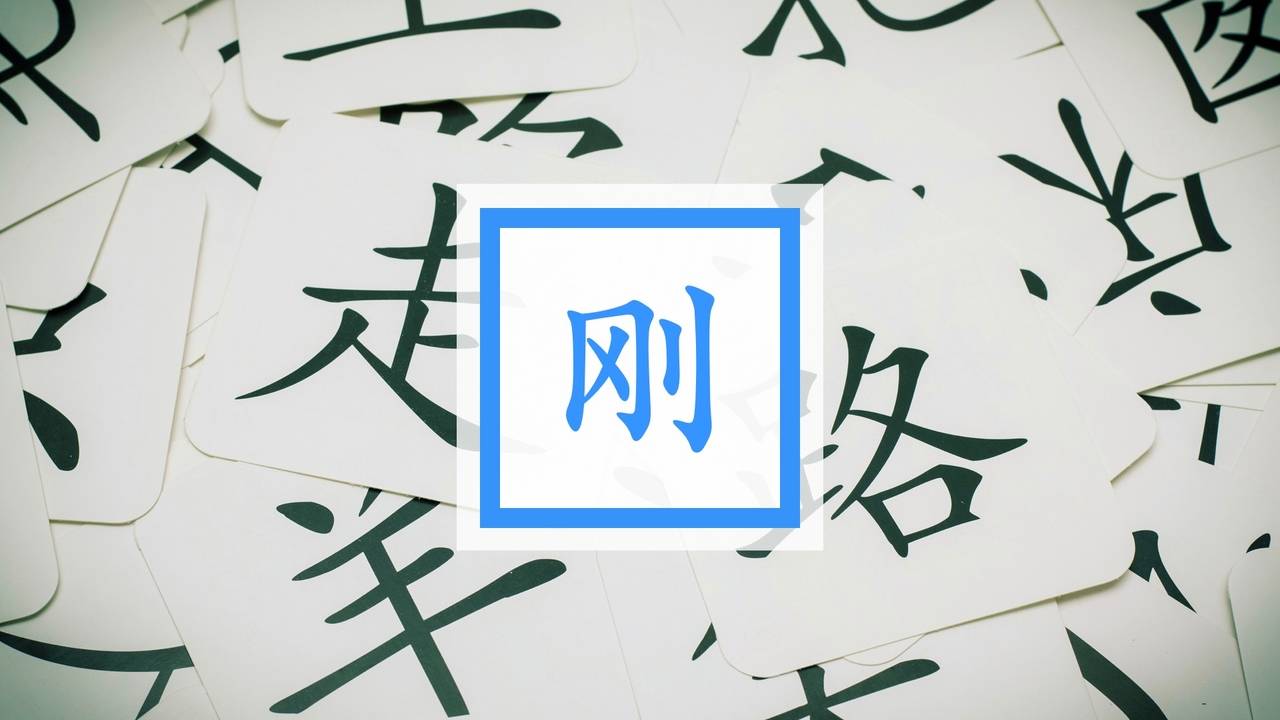
刚 in Context
34
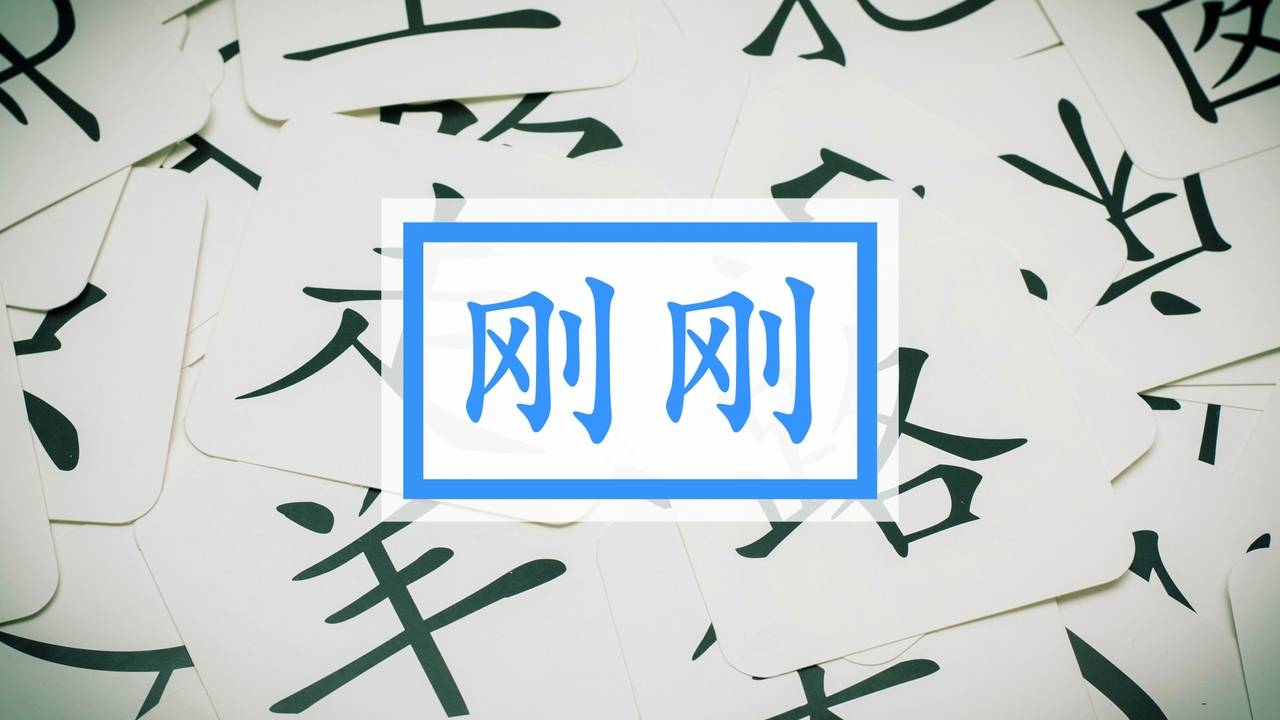
刚刚 in Context
35
BONUS: “How Does What" - Adverbs of Time
36
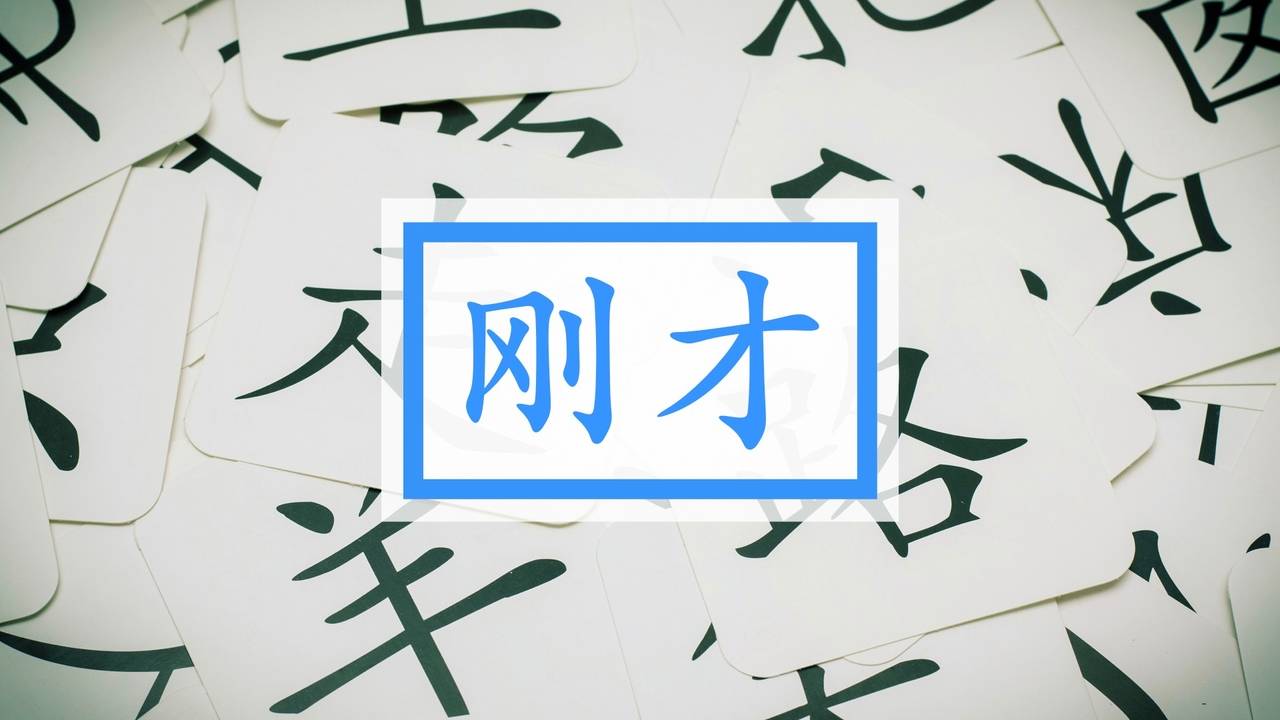
刚才 in Context
37
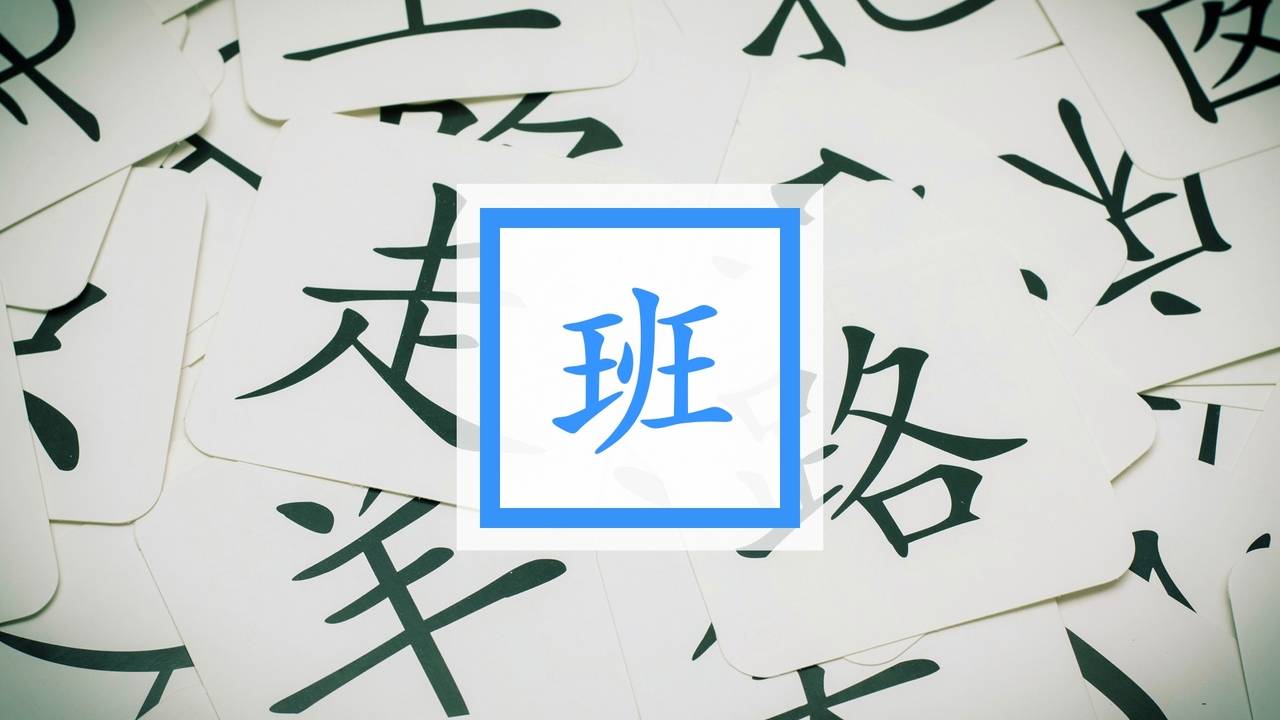
班 in Context
38
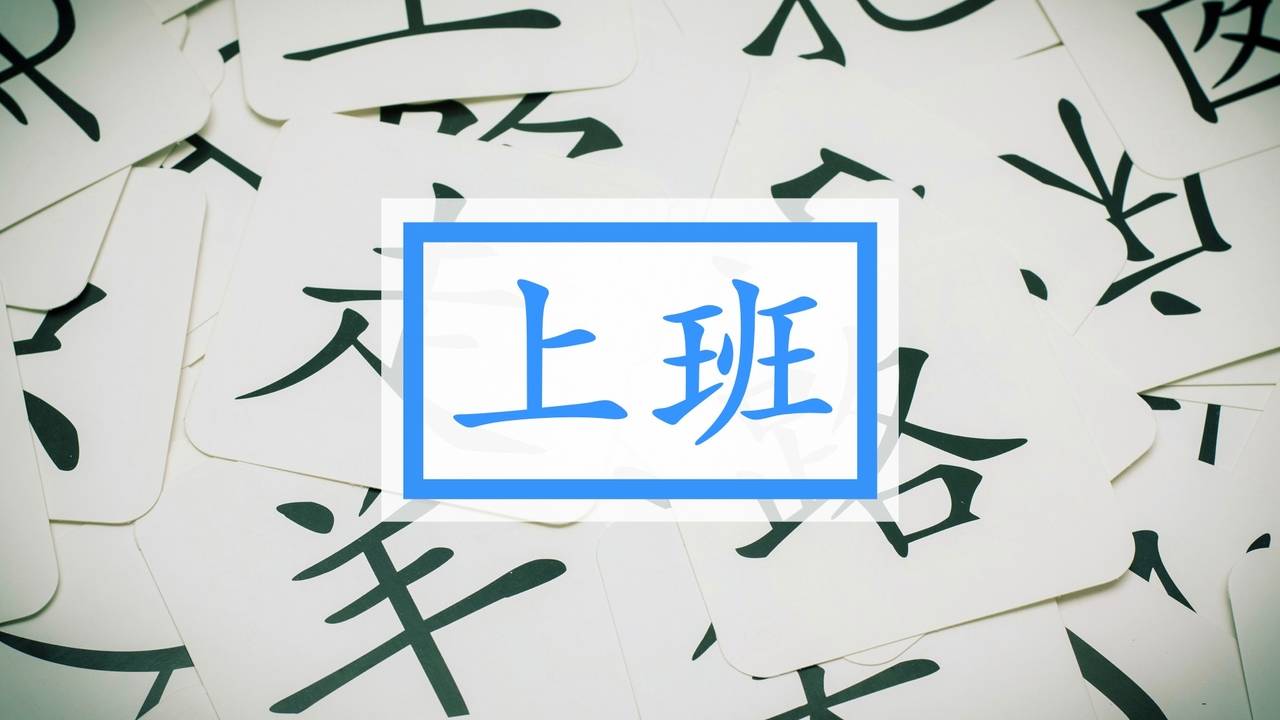
上班 in Context
39
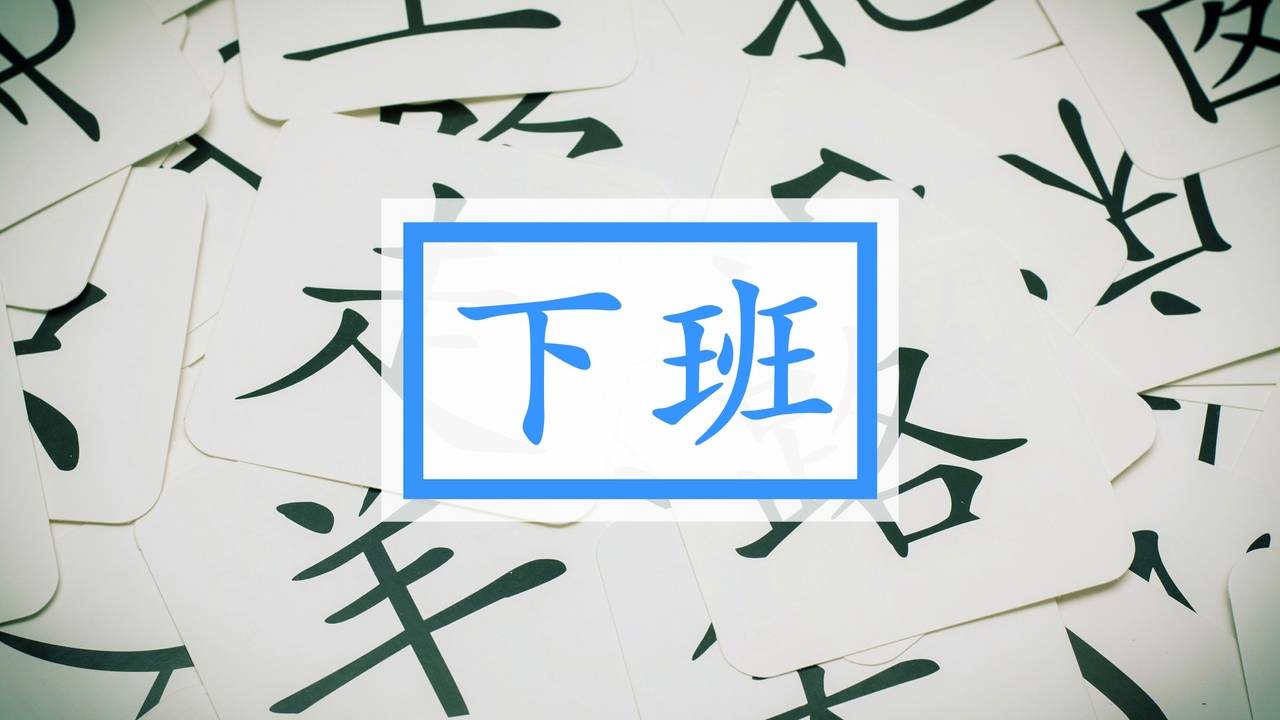
下班 in Context
40
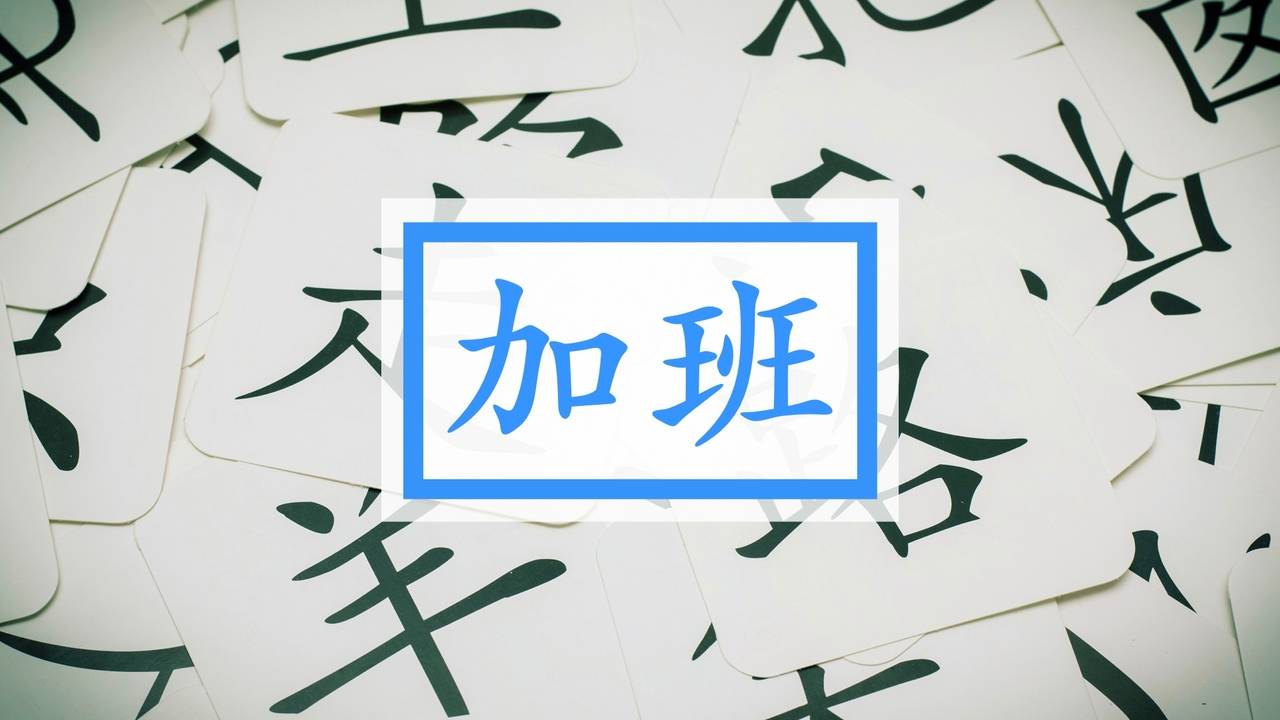
加班 in Context
41
前 in Context
42
以前 in Context
43
前天 in Context
44
前面 in Context
45
往前 in Context
46
前边 in Context
Next Character
BONUS: Connector - Expressing Exceptions with 除了
A Reminder About "Connectors"
Connectors are what linguists call "conjunctions." The Chinese word for them is "连词 liáncí - 'connect + word.' They serve to take separate thoughts and show how they are connected. Examples in English are words like "and," "or," "because," etc. Chinese connectors are one of the most straightforward elements of the language to understand, so be sure not to overthink them too much :).
GW-Connector-Except-For-连词-除了
There are two primary contexts where you'll use the connector "除了":
Context 1: You want to emphasize that there's more than meets the eye in a situation.
除了 + Known Quantity + (以外), (还有)
Context 2: You want to make a general statement with a clearly defined exception.
除了 + Exception + (以外), Generalization.
Sentence 1:
我除了要完成今天的工作以外,还有另外的事情要完成。 - Level 22
Wǒ chúle yào wánchéng jīntiān de gōngzuò yǐwài, háiyǒu lìngwài de shìqíng yào wánchéng.
Apart from having to finish today's work, I have another thing I want to finish up.
You might say this to someone who wants to see you later. That person likely already knows that you have work to do, so that's your "known quantity." However, they like doesn't realize that you ALSO (还有) 'another thing to finish up.'
Note: 以外 is optional, but we'd recommend using it to give you more time to think of the second half of your statement.
Sentence 2:
最近几年,除了有些特别想要宝宝的人以外,不少人都不太想生宝宝。 - Level 22
Zuìjìn jǐ nián, chúle yǒuxiē tèbié xiǎngyào bǎobao de rén yǐwài, bùshǎo rén dōu bùtàixiǎng shēngbǎobao.
During the past several years, very few people want to have children except a few who especially want to.
This person wants to generalize: Very few people want to have babies. However, there's a glaring exception: The people who especially want to. Sure, this is a bit obvious, but this is a grammar lesson for heck's sake!
Sentence 3:
除了衣服,还有别的东西要拿吗? - Level 24
Chúle yīfú, háiyǒu biéde dōngxī yào ná ma?
Apart from clothing, do you have anything else you'd like to take?
Here, once again, we have a known quantity from the speaker's perspective: You want to take clothes. What's unknown is if there are ALSO (还有) other things you want to take. This is why the "除了" structure is often used in questions like this one.
Sentence 4:
除了那些新陈代谢特别好的人以外,所有经常吃麦当劳的人都会变胖。
Chúle nàxiē xīnchéndàixiè tèbié hǎo de rén yǐwài, suǒyǒu jīngcháng chī Màidāngláo de rén dōu huì biàn pàng.
Apart from those with exceptionally good metabolisms, everyone who frequently eats McDonald's gets fat.
Once again, the speaker wants to generalize that everyone who eats McDonald's a lot gets fat, but they recognize that some people don't seem to get fat no matter what they eat. Therefore, they throw in the exception at the beginning and then make their generalized statement.
The world is full of rules that have exceptions, so you'll undoubtedly find 除了...以外 to be highly useful. Keep it up!
Comments 7


Click Here to Search Individual Hanzi 汉字
PHASE 1 (Levels 1-6)
- The Basics - Why Does This Method Work?
- How our Pinyin Chart is Different
- What are Chinese Characters?
- Props
- Sets
- Actors
- Scripts
- Inspiration for Scripts
- Special Effects
- Timeboxing
- Why SRS is So Important: Frequency & Memory
- How to Use SRS
- Habit Building Part 1 - Triggers
- Habit Building Part 2 - Routine
- Habit Building Part 3 - Reward
- Habit Building Part 4 - Belief
- Stroke Order Rule #1
- Stroke Order Rule #2
- Stroke Order Rule #3
- Stroke Order Rule #4
- Stroke Order Rule #5
- Stroke Order Rule #6
- Stroke Order Rule #7
- Stroke Order Rule #8
- Stroke Order Rule #9
- Stroke Order Rule #10
- Stroke Order Rule #11
- Stroke Order Rule #12
PHASE 2 (Levels 7-12)
- Understanding Chinese Words - Morphemes
- The Six Steps to Learning Words
- 3 Questions About Words
- Top-Down & Bottom-Up Learning
Living Links Series
Word Structure Series
- Part 1 - What are Chinese Words?
- Part 2 - Verb-What 述宾式
- Part 3 - Verb-How 补充式
- Part 4 - Biased 偏正式
- Part 5 - Parallel 并列式
- Part 6 - Duplicated 重叠式
- Part 7 - Subject-Predicate 主谓式
- Part 8 - Affixed 附加式
PHASE 3 (Levels 13-20)
- The Basic Chinese Sentence
- Helper - Expressing Possession with 的
- Helper - When You Can Omit 的
- Helper - Completed Actions with 了
- Helper - Change of State with 了
- Helper - Present Actions with 着
- Connector - Saying 'But' with 但是 - 可是 - 不过
- Connector - Reasons & Actions with 因为..., 所以...
- Connector - Conditional "If-Then" Statements with 如果..., 就
- Connector - Conditional "If-Then" Statements with 要是...的话
- Connector - "Or" in Questions with 还是
- Connector - “Or" in Statements with 或/或者
- Relator - Using 为 to Express "For"
- Relator - Expressing "From" with 从
- Relator - Expressing Location with 在
- Special - Using 在 as a Verb
- Tone - Softening Tone of Voice with 呢
- “How Does What" - Adverbs of Denial
- “How Does What" - Adverbs of Degree
PHASE 4 (Levels 21-30)
Level 21
- Transferring Money by Smartphone or Bank
- Walk in the Park?! I Have 汉字 to Study!
- Who Determine's a Baby's Looks, Mom or Dad?
Level 22
- How Many Pages of the Book Have You Read?
- Many People Don't Want to Have Babies
- My Girlfriend Can Really Eat!
- What Do You Like to Do?
- What Method Works for Learning Chinese?
Level 23
- Eating Bread
- I Met My Girlfriend in the Park
- Something is Different About My Dog Lately
- The Older Brother is Better Than the Younger Brother
- The Right and Left Side of the Office
- Three Meals a Day
Level 24
- Annoying People
- Breaking Up at the End of the Date
- Going on a Date
- My Two Friends and I
- Overtime at Work
- Red Packets
- Two People in a Relationship
Level 25
- I Want to Find a Boyfriend Too
- My Dad and I
- My Dog Chouchou
- The Big Changes of China
- The Weather is Great, Let's Go to the Park!
- Xiaomei and Her Boyfriend's Day
Level 26
Level 27
- American Journalist Studies Chinese in China
- Can I Still Learn Chinese Anymore?
- Should I Change?
- Children and Their Parents
- Foreigner's Opinion of China
- What Do You Want to Be When You Grow Up?
Level 28
- Daughter & Mother
- Son's Eighth Birthday
- Study, Work & Life
- What's More Important, Looks, or Ability?
Level 29
- Advertisements
- Buying Tickets at Chinese New Year
- Everybody Restaurant
- How Does One Progress
- Son is Out of Control
Level 30
- Cars, Bicycles & Trains
- Potatoes & Beef
- Two Ladies Compare Who's Got it Better
- Young People Raising Cats and Dogs
Phase 4 Grammar Points
Get Involved!
Have any questions about the course? Want to share an interesting "movie scene?" How about an Actor, Set or Prop? Just leave a comment below the lesson in question and we'll talk about it in our weekly podcast!

Keep on learning with us!
We make frequent blog updates that will make you SUPER motivated as you keep climbing the "acquisition mountain." Check it out and subscribe!
Micaela Ellison
Is 还有 optional in Sentences 1 & 3?
As in:
我除了要完成今天的工作以外,另外的事情要完成。
除了衣服,别的东西要拿吗?
Mandarin Blueprint
Feels weird without 还有, can't say why for sure, though, would have to ask a Chinese grammar expert. My grammar module just tells me that something is missing. I think you could take out 还有 so long as you add 也, like 另外的事情*也*要完成.
John Nomura
最近几年,除了有些特别想要宝宝的人以外,不少人都不太想生宝宝
Do people really talk like this - with so many double negatives?
不少人都不太太想生宝宝 - literally - not small number of people all not want too much to have a baby
很多人不想生宝宝 - this would be so much easier to understand
Mandarin Blueprint
Yes, people would talk like this. Although "不少" is considered a single compound word meaning "a lot", so really this part of the sentence only feels like one 不 negation. Your 3rd example also works!
MB Team
This is where Luke and Phil talked about your question in the Mandarin Blueprint Podcast:https://www.youtube.com/watch?v=vl98-5s-jxU&t=1139s
Rick Angleland
Somewhere along the history of English, some logician introduced the idea that double negatives cancel out, as if a sentence was a logic statement. But in a lot of colloquial English, and certainly in Japanese and Korean and apparently Chinese, a series of negatives indicates emphasis, rather than a complicated logic equation that the listener is supposed to solve.
Jason Pon
I wish I was the exception to getting fat off McDs...
Thanks Luke! Great lesson.