

Level 29 - Vocab in Context
54 Lessons
1
晚 in Context
2
晚饭 in Context
3
晚上 in Context
4
家 in Context
5
家里 in Context
6
大家 in Context
7
回家 in Context
8
国家 in Context
9
家人 in Context
10
想家 in Context
11
老家 in Context
12
大象 in Context
13
像 in Context
14
不像话 in Context
15
好像 in Context
16
头 in Context
17
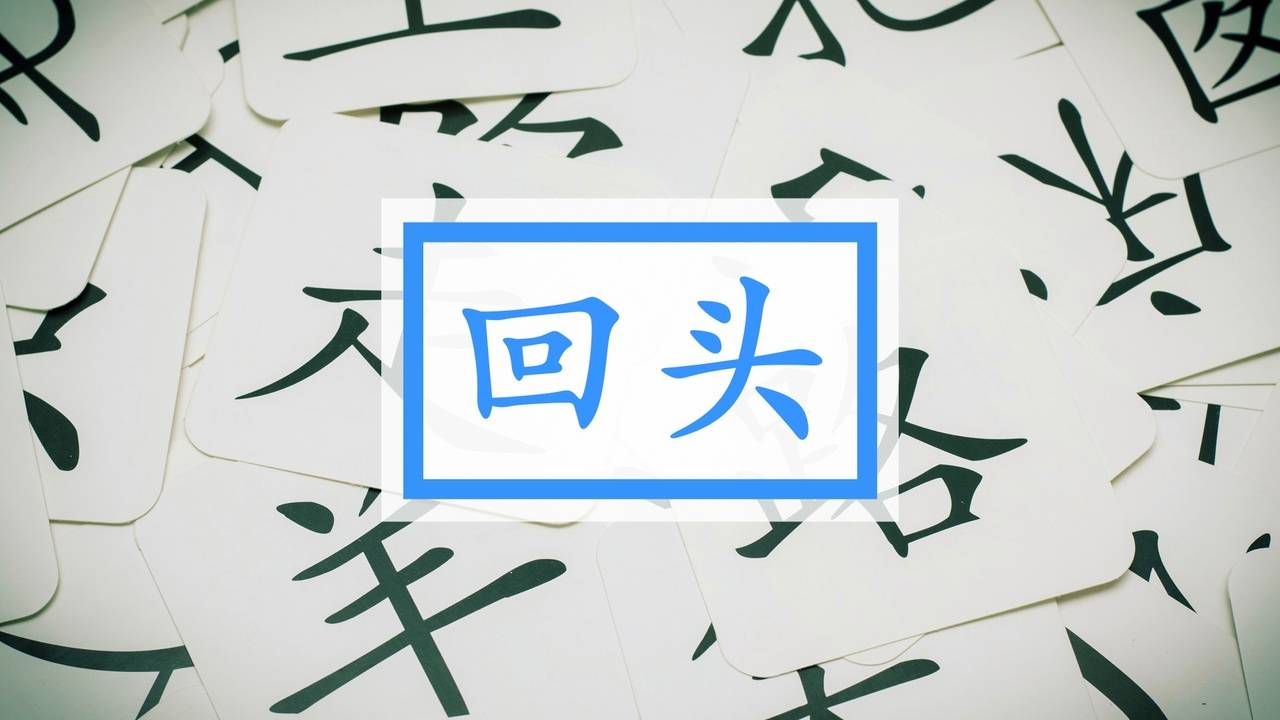
回头 in Context
18
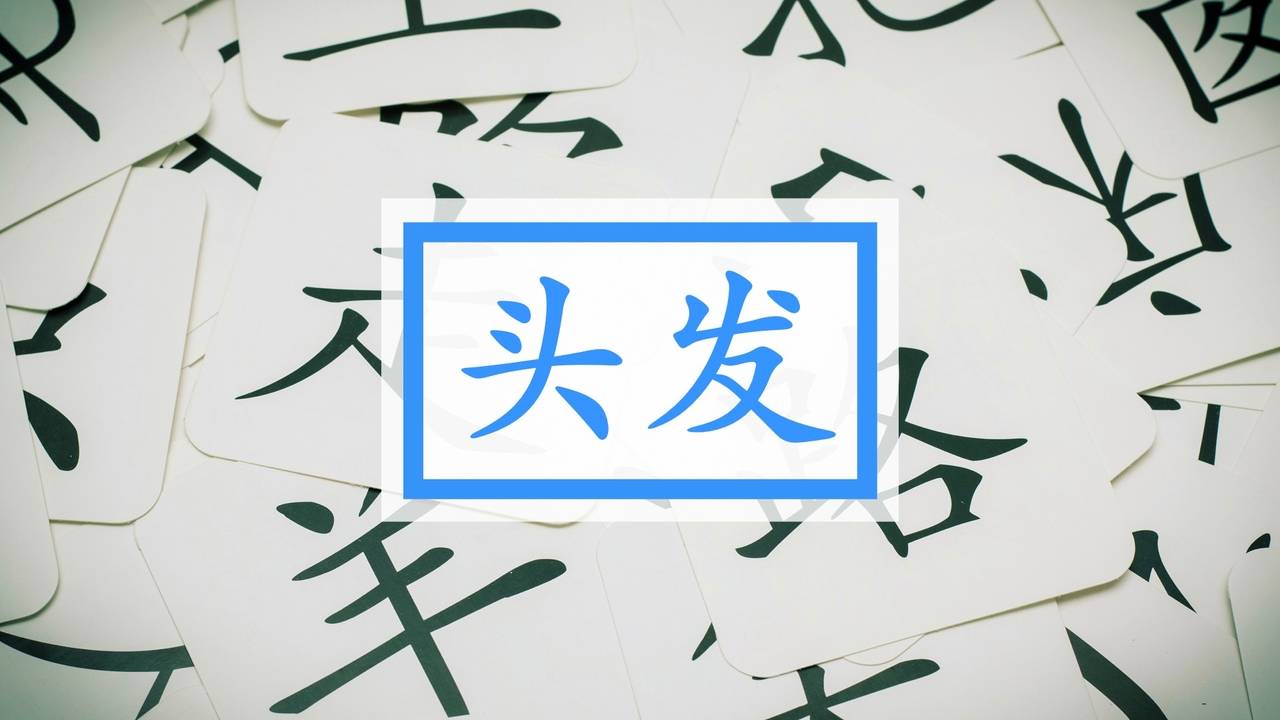
头发 in Context
19
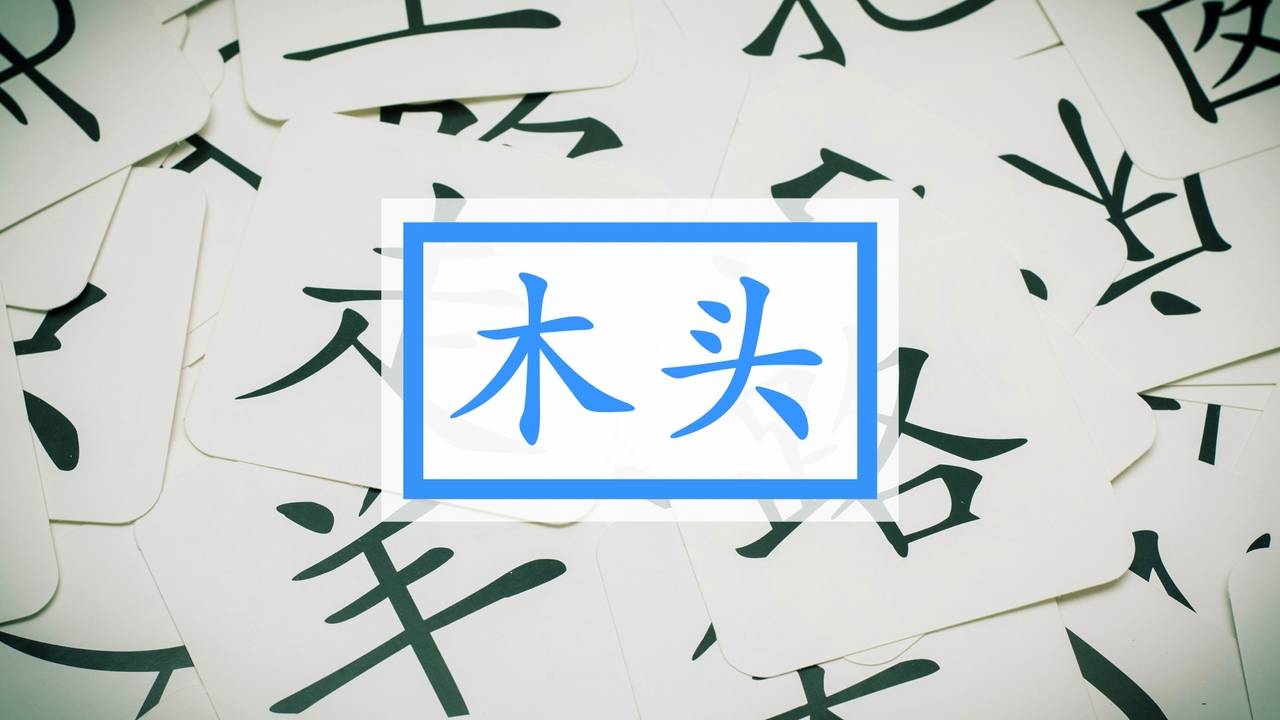
木头 in Context
20
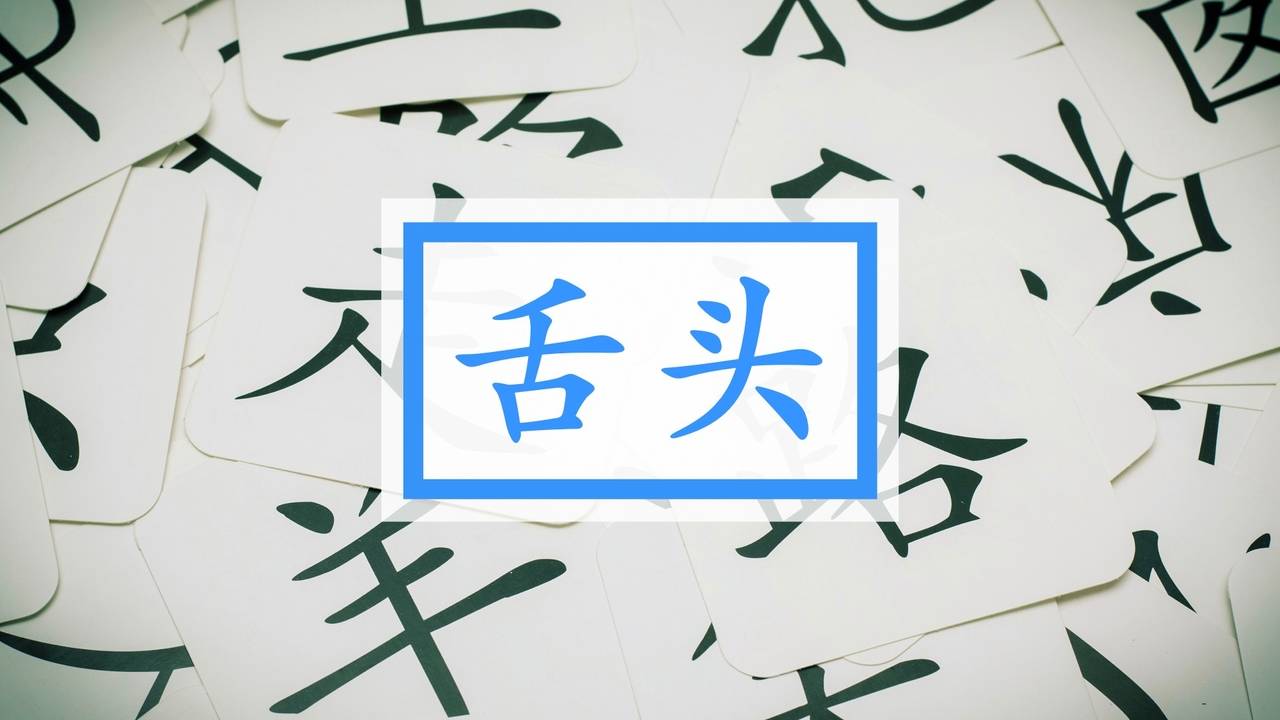
舌头 in Context
21
其实 in Context
22
实话 in Context
23
老实 in Context
24
买 in Context
25
买单 in Context
26
卖 in Context
27
买卖 in Context
28
外卖 in Context
29
读 in Context
30
读书 in Context
31
牛 in Context
32
牛肉 in Context
33
特别 in Context
34
特点 in Context
35
件 in Context
36
告诉 in Context
37
广告 in Context
38
先 in Context
39
先生 in Context
40
洗 in Context
41
洗手间 in Context
42
了解 in Context
43
解决 in Context
44
当然 in Context
45
当时 in Context
46
打扫 in Context
47
事 in Context
48
事情 in Context
49
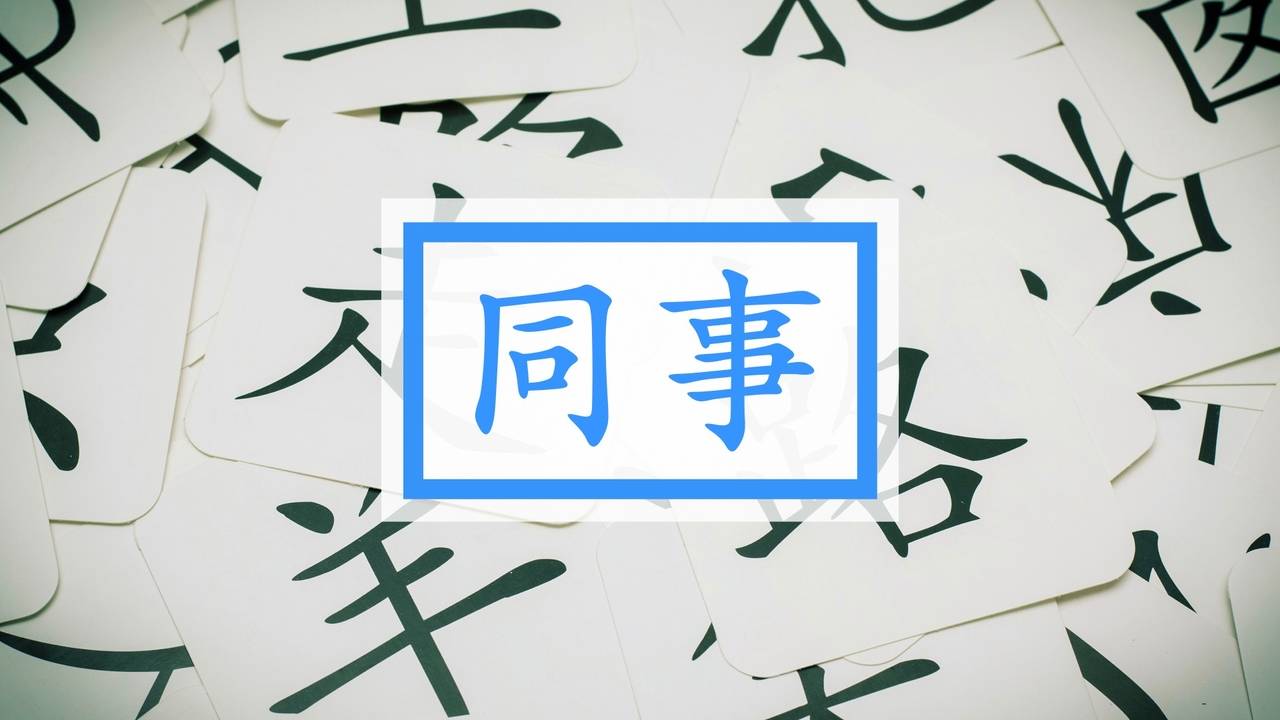
同事 in Context
BONUS: Relator - 'Towards' a Target with 对
51
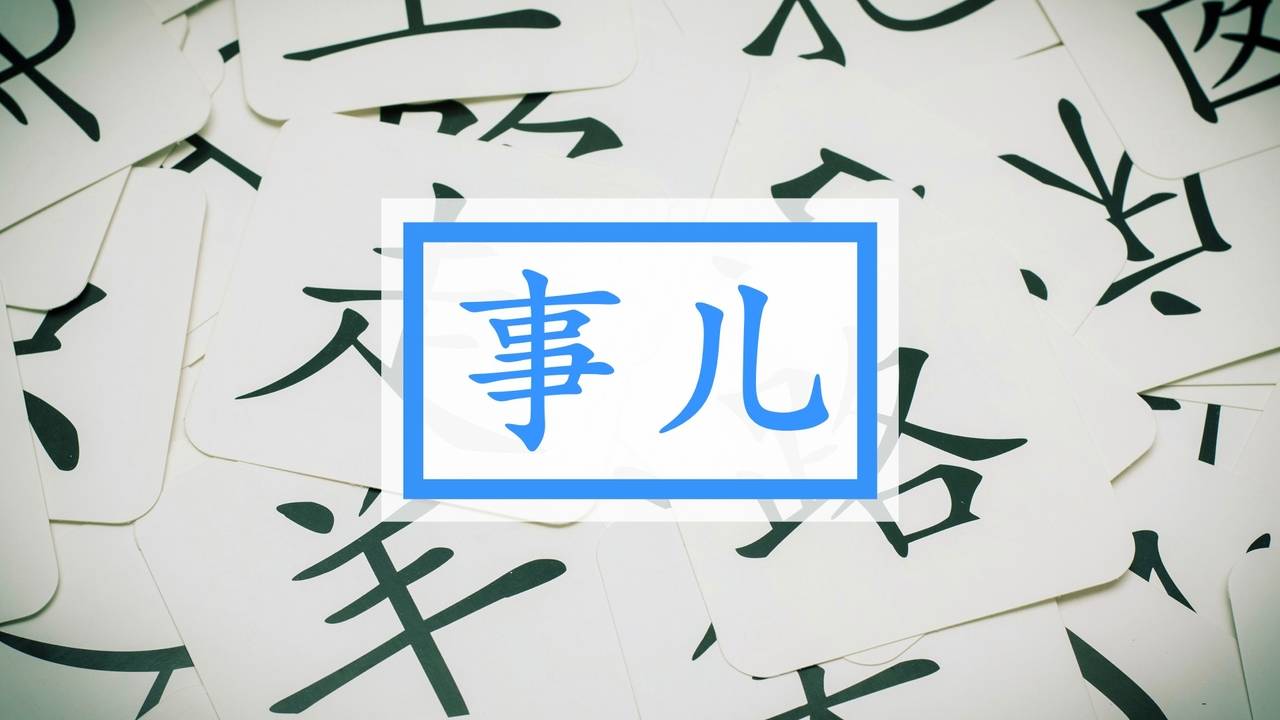
事儿 in Context
52
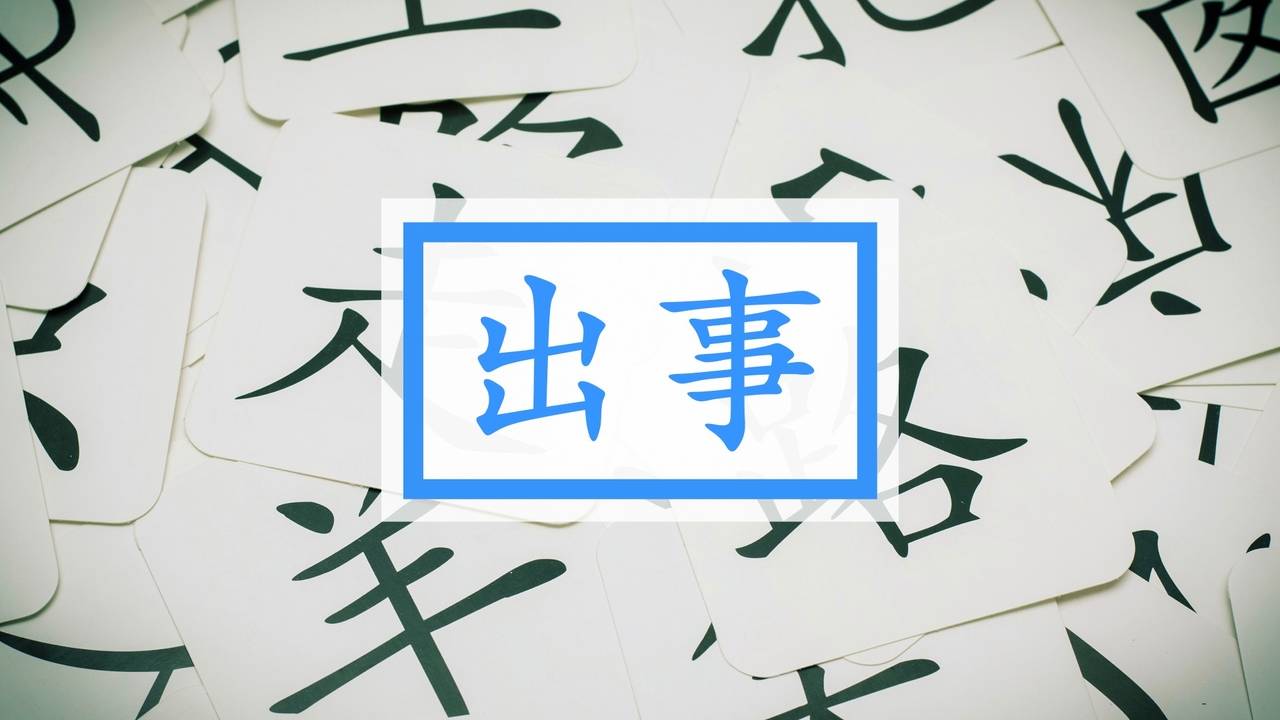
出事 in Context
53
怎么回事 in Context
54
没事(儿)in Context
Next Character
BONUS: Relator - 'Towards' a Target with 对
A Reminder About "Relators"
When I was a kid, the word “preposition” made my brain shut off. There was (and still is) something about linguistic jargon that aggravated me because it always felt so pointless.
When I started learning about Chinese grammar, I came across the word 介词 jiècí - ‘preposition,’ but instead of my brain shutting off, I suddenly realized that prepositions are “relators.” 介 is the main character in the word “介绍 jièshào - to introduce.” Another way to conceptualize “introducing” is “to create a new relationship.” Now, the idea of a ‘preposition’ wasn’t so scary. They’re mere ‘relators’!
That’s why, in The Mandarin Blueprint Method, we refer to prepositions as “relators.” All sentences that contain a preposition will be marked with the tag “GW-Relator.”
How do people, places, things, events, etc., relate to each other? Is someone doing something “for” someone else? How about “to” them? What’s the origin “from” one thing to another, or distance “from” two places? We’ll discuss all of these and more in our “GW-Relator” lessons.
GW-Relator-Towards-What-PPT-介词-对
Foreigners in China tend to learn 对 as “correct,” which is indeed it’s most frequent usage. However, you can also use “对“ as a relator between people, places, and things to express “towards.” Unlike “往 wǎng,” however, 对 doesn’t necessarily imply a destination. Let’s take a look at a few examples:
Sentence 1 :
我对他说:我爱你! - Level 19
Wǒ duì tā shuō: wǒ ài nǐ!
I said to him; I love you!
Imagine that your friend overheard you from the next room saying “我爱你,” but didn’t see who you said it towards. You’d say to your friend, “我*对*Henry说,” to clarify the target of your affections.
Sentence 2 :
他对这件事不想多说。 - Level 22
Tā duì zhè jiàn shì bù xiǎng duō shuō.
He doesn’t want to talk much about this matter.
From here, you can see that the object after 对 can be abstract like “这件事.” It doesn’t have to be a person.
对 & Expressing Opinions
Sentences 3:
这些钱对他来说不少。 - Level 22
Zhè xiē qián duì tā lái shuō bù shǎo.
This is no small amount of money, in his opinion.
You can also write this sentence as “对他来说,这些钱不少.” This structure of “对 […] 来说,” clarifies whose from whose perspective the statement derives. While it’s commonly used with pronouns (e.g., 对我来说 - 对他来说 - 对你来说), it doesn’t have to be. For example:
Sentences 4:
对我们说英文的人来说,学汉语比学别的语言难一点。 - Level 27
Duì wǒmen shuō yīngwén de rén lái shuō, xué hànyǔ bǐ xué biéde yǔyán nán yīdiǎn.
For us who speak English, learning Chinese is a bit harder than learning other languages.
In this sentence, instead of “他” filling the blank of “对[…]来说,” we have “我们说英文的人.” This goes to show that you can provide as much detail as you’d like about the person (or people) expressing a position.
What’s Your Attitude Towards
Sentences 5 & 6:
These two sentences show how you can use psychological verbs in combination with 对 to relate the attitude to whatever comes after “对.”
她对她的男朋友不满意。 - Level 25
Tā duì tāde nán péngyǒu bù mǎnyì.
She's not satisfied with her boyfriend.
你对我的同事感兴趣吗? - Level 29
Nǐ duì wǒde tóngshì gǎn xìngqù ma?
Are you interested in my colleague?
The structure is “Subject + 对 + Object + Psychological Verb.” Both 满意 and 感兴趣 are quite common, but here are some more examples:
对⋯有兴趣
Duì...yǒu xìngqù
To have an interest in...
有兴趣 is nearly the same as 感兴趣, but it’s not as high a degree. Especially when you’re saying “对 + PERSON + 感兴趣.” To say that you are “感兴趣” towards a person reveals a potential romantic interest.
对⋯负责
Duì...fùzé
To be responsible for...
对⋯失望
Duì...shīwàng
To be disappointed in/with...
对⋯好奇
Duì...hàoqí
To be curious about...
What’s Your Treatment Towards?
Another usage of 对 relates to the word 对待 duìdài, which means “to treat” or “treatment of [someone/something].” Let’s take a look at a couple of examples:
Sentences 7:
不吃菜对身体不好。 - Level 26
Bù chī cài duì shēntǐ bù hǎo.
Not eating vegetables is bad for your health.
Smoking? Not exercising? Drinking in excess? All of these behaviors are ways of *treating* your body/health (身体) poorly. Now you know how to express this idea! Of course, you could also say something is *good* for your health by replacing the “不” with “很,” for example:
多多运动对身体很好。
Duōduō yùndòng duì shēntǐ hěn hǎo.
Frequently exercising is good for your health.
Sentence 8:
有什么办法可以找到一个对我又好长得又好看的男朋友呢? - Level 25
Yǒu shénme bànfǎ kěyǐ zhǎodào yíge duì wǒ yòu hǎo zhǎngde yòu hǎo kàn de nán péngyǒu ne?
What's a good way to find a guy who treats me well and is also handsome?
Regardless of whether you’re expressing opinions, attitudes, treatments, etc., 对 relates how the subject is behaving *towards* the object. Keep your eye out for these usages as you move forward. That way, you can 对你自己很好.
Comments 6


Click Here to Search Individual Hanzi 汉字
PHASE 1 (Levels 1-6)
- The Basics - Why Does This Method Work?
- How our Pinyin Chart is Different
- What are Chinese Characters?
- Props
- Sets
- Actors
- Scripts
- Inspiration for Scripts
- Special Effects
- Timeboxing
- Why SRS is So Important: Frequency & Memory
- How to Use SRS
- Habit Building Part 1 - Triggers
- Habit Building Part 2 - Routine
- Habit Building Part 3 - Reward
- Habit Building Part 4 - Belief
- Stroke Order Rule #1
- Stroke Order Rule #2
- Stroke Order Rule #3
- Stroke Order Rule #4
- Stroke Order Rule #5
- Stroke Order Rule #6
- Stroke Order Rule #7
- Stroke Order Rule #8
- Stroke Order Rule #9
- Stroke Order Rule #10
- Stroke Order Rule #11
- Stroke Order Rule #12
PHASE 2 (Levels 7-12)
- Understanding Chinese Words - Morphemes
- The Six Steps to Learning Words
- 3 Questions About Words
- Top-Down & Bottom-Up Learning
Living Links Series
Word Structure Series
- Part 1 - What are Chinese Words?
- Part 2 - Verb-What 述宾式
- Part 3 - Verb-How 补充式
- Part 4 - Biased 偏正式
- Part 5 - Parallel 并列式
- Part 6 - Duplicated 重叠式
- Part 7 - Subject-Predicate 主谓式
- Part 8 - Affixed 附加式
PHASE 3 (Levels 13-20)
- The Basic Chinese Sentence
- Helper - Expressing Possession with 的
- Helper - When You Can Omit 的
- Helper - Completed Actions with 了
- Helper - Change of State with 了
- Helper - Present Actions with 着
- Connector - Saying 'But' with 但是 - 可是 - 不过
- Connector - Reasons & Actions with 因为..., 所以...
- Connector - Conditional "If-Then" Statements with 如果..., 就
- Connector - Conditional "If-Then" Statements with 要是...的话
- Connector - "Or" in Questions with 还是
- Connector - “Or" in Statements with 或/或者
- Relator - Using 为 to Express "For"
- Relator - Expressing "From" with 从
- Relator - Expressing Location with 在
- Special - Using 在 as a Verb
- Tone - Softening Tone of Voice with 呢
- “How Does What" - Adverbs of Denial
- “How Does What" - Adverbs of Degree
PHASE 4 (Levels 21-30)
Level 21
- Transferring Money by Smartphone or Bank
- Walk in the Park?! I Have 汉字 to Study!
- Who Determine's a Baby's Looks, Mom or Dad?
Level 22
- How Many Pages of the Book Have You Read?
- Many People Don't Want to Have Babies
- My Girlfriend Can Really Eat!
- What Do You Like to Do?
- What Method Works for Learning Chinese?
Level 23
- Eating Bread
- I Met My Girlfriend in the Park
- Something is Different About My Dog Lately
- The Older Brother is Better Than the Younger Brother
- The Right and Left Side of the Office
- Three Meals a Day
Level 24
- Annoying People
- Breaking Up at the End of the Date
- Going on a Date
- My Two Friends and I
- Overtime at Work
- Red Packets
- Two People in a Relationship
Level 25
- I Want to Find a Boyfriend Too
- My Dad and I
- My Dog Chouchou
- The Big Changes of China
- The Weather is Great, Let's Go to the Park!
- Xiaomei and Her Boyfriend's Day
Level 26
Level 27
- American Journalist Studies Chinese in China
- Can I Still Learn Chinese Anymore?
- Should I Change?
- Children and Their Parents
- Foreigner's Opinion of China
- What Do You Want to Be When You Grow Up?
Level 28
- Daughter & Mother
- Son's Eighth Birthday
- Study, Work & Life
- What's More Important, Looks, or Ability?
Level 29
- Advertisements
- Buying Tickets at Chinese New Year
- Everybody Restaurant
- How Does One Progress
- Son is Out of Control
Level 30
- Cars, Bicycles & Trains
- Potatoes & Beef
- Two Ladies Compare Who's Got it Better
- Young People Raising Cats and Dogs
Phase 4 Grammar Points
Get Involved!
Have any questions about the course? Want to share an interesting "movie scene?" How about an Actor, Set or Prop? Just leave a comment below the lesson in question and we'll talk about it in our weekly podcast!

Keep on learning with us!
We make frequent blog updates that will make you SUPER motivated as you keep climbing the "acquisition mountain." Check it out and subscribe!
Micaela Ellison
For anyone else who might like to revisit the last sentence with a better understanding of 对, this loom video Phil made is very helpful: https://www.loom.com/share/1f1026bb868640939e6bbc1218fa7cd7
Kelli
What a relief to finally have this explained! I think it would have been useful around 8 levels ago!
Mandarin Blueprint
Perhaps, although you likely wouldn't have felt as enlightened and pleased about learning it. When you learn something like this without having ever seen it before, the emotional response is quite muted. Just like..."OK, well I guess 对 is used this way." However, if you have already seen it used this way and were wondering about it, then an article like this makes you go "Eureka! Got it!"
Jason Pon
Lol at Kelli's comment - exactly my thoughts. But I 100% agree with your response! The whole journey of figuring something out a recurring word (especially this one being so common!) independently may feel weird and often times a bit uncomfortable (at least for me). But it's kind of like an investment. After this experience, the Eureka moment has such a stronger impact on having it click and the power to use it is amplified.
I think it's necessary though to have these grammar points to ensure that we do have these Eureka moments. In the absence of these, I fear we may mislead ourselves if we simply leave things up to the passiveness of comprehensive input. We still need these affirming lessons to solidify and confirm whatever theories we may have come up with ourselves!
Kelli
What a relief to finally have this explained! I think it would have been useful perhaps around 8 levels ago!
MB Team
This is where Luke and Phil talked about your question in the Mandarin Blueprint Podcast:https://www.youtube.com/watch?v=_edfojFBfXo&t=3601s