

57级 - 汉字 # 1521 - 1530
23 Lessons
1
Pick a Prop 鸟
2
Make a Movie 鸡
3
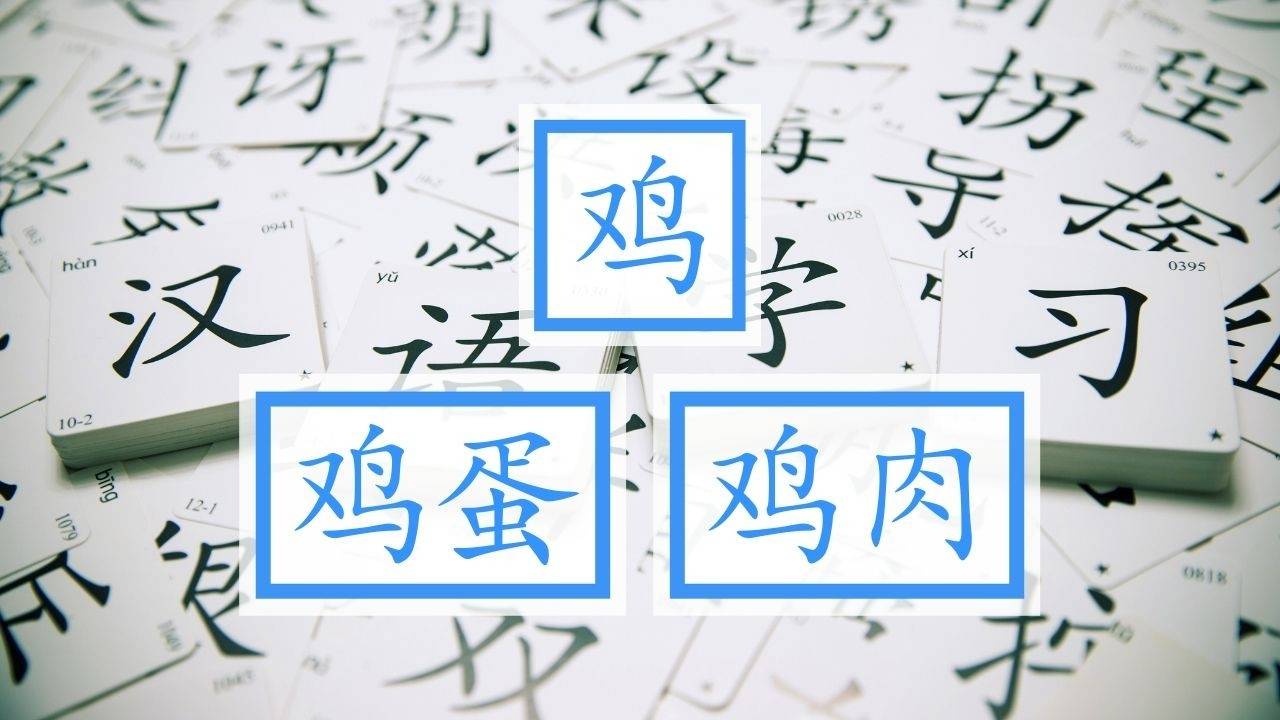
Vocab Unlocked from 鸡
4
Make a Movie 岛
5
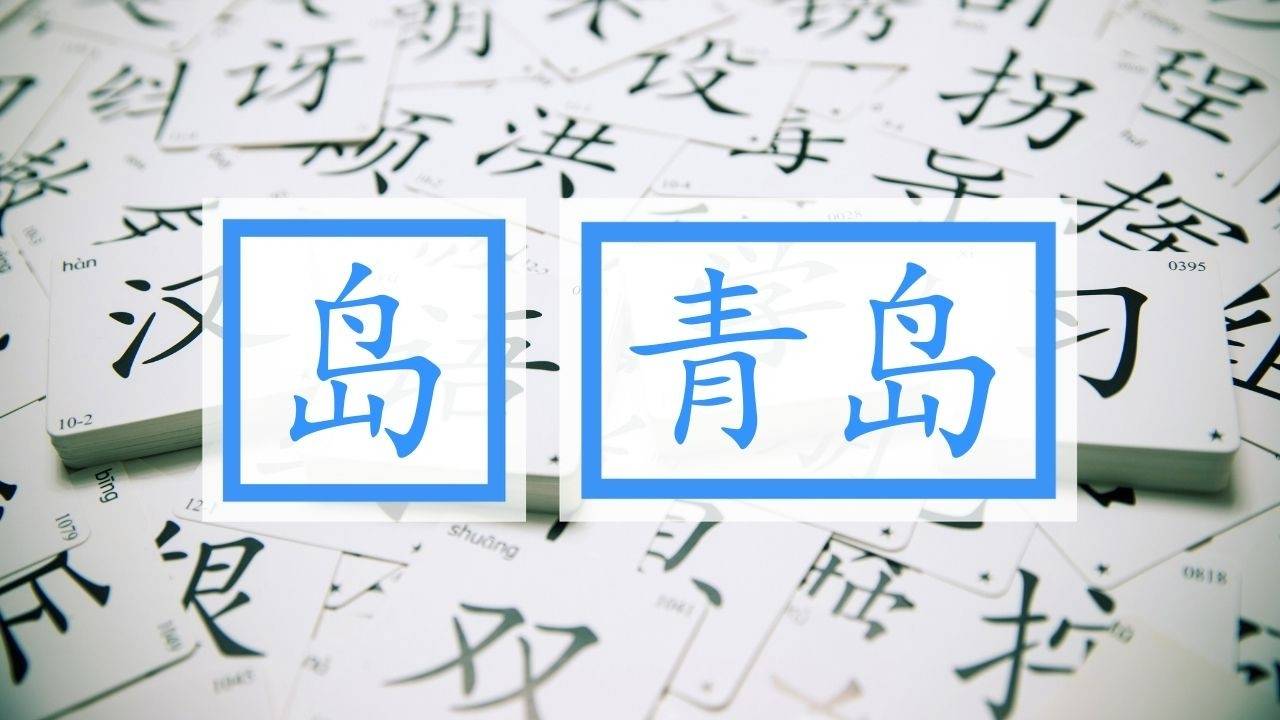
Vocab Unlocked from 岛
6
Pick a Prop 甲
7

Make a Movie 鸭
8
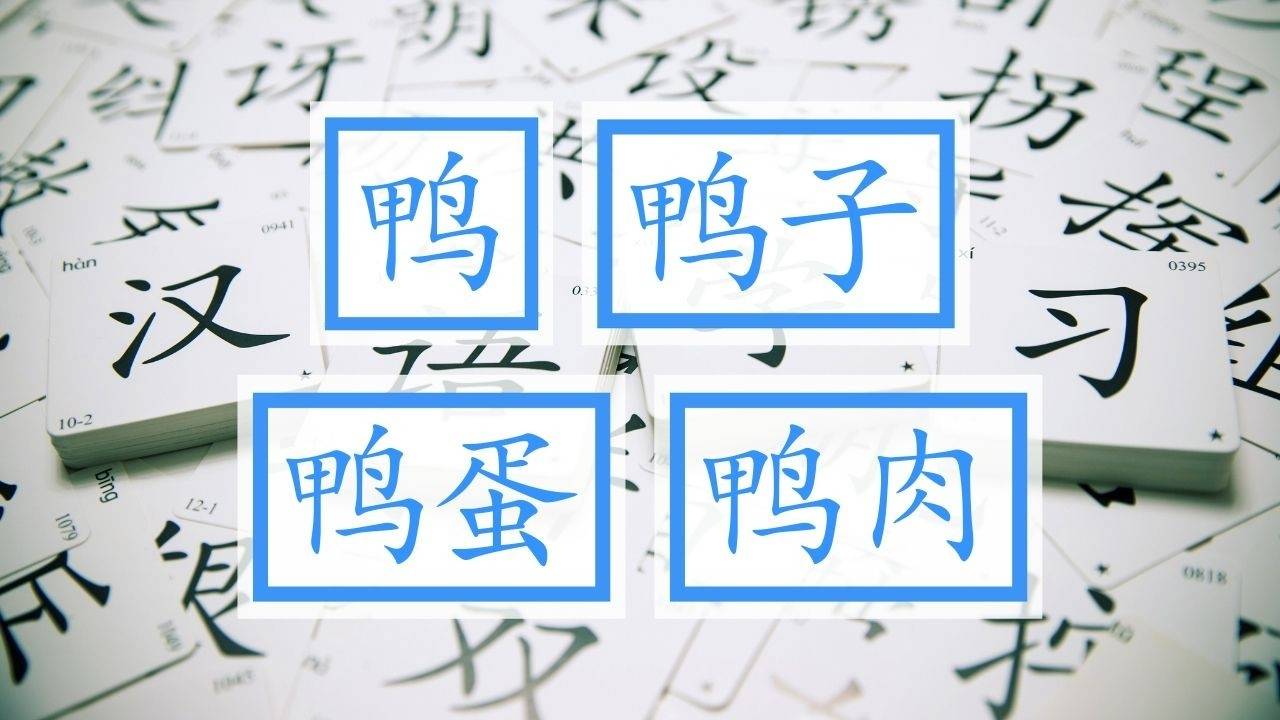
Vocab Unlocked from 鸭
9
Make a Movie 灵
10
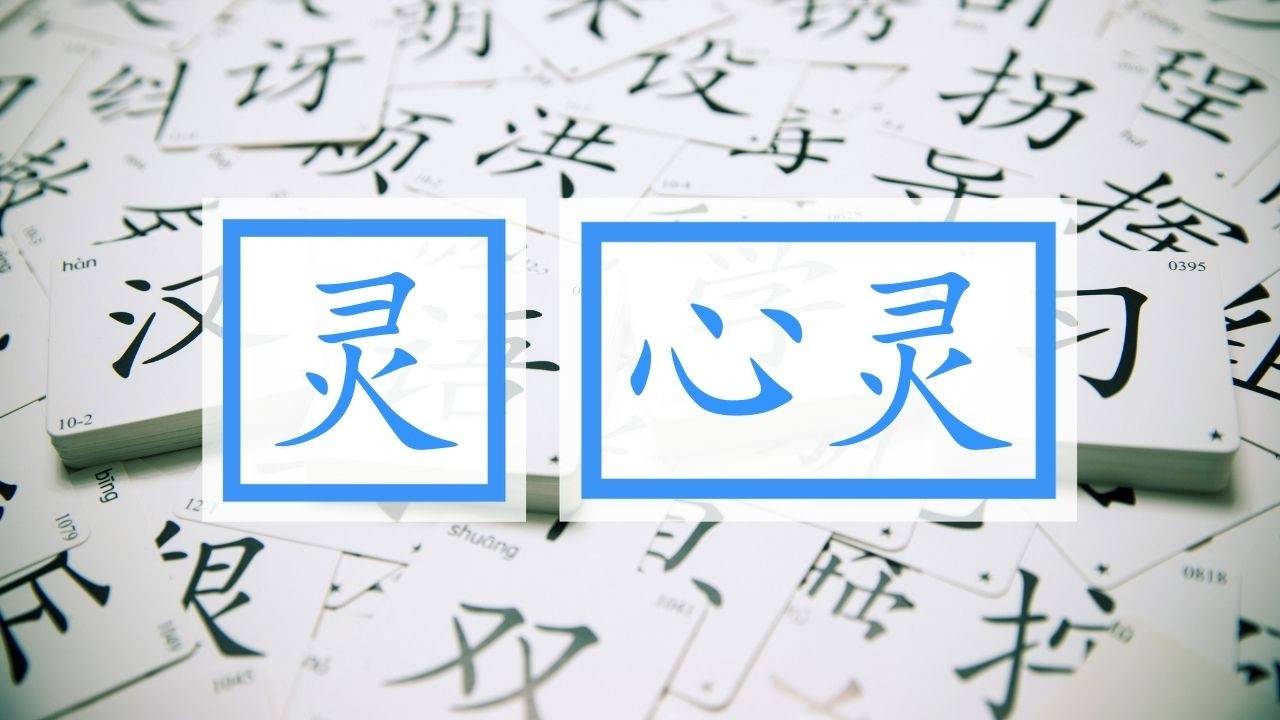
Vocab Unlocked from 灵
11

Make a Movie 烟
12
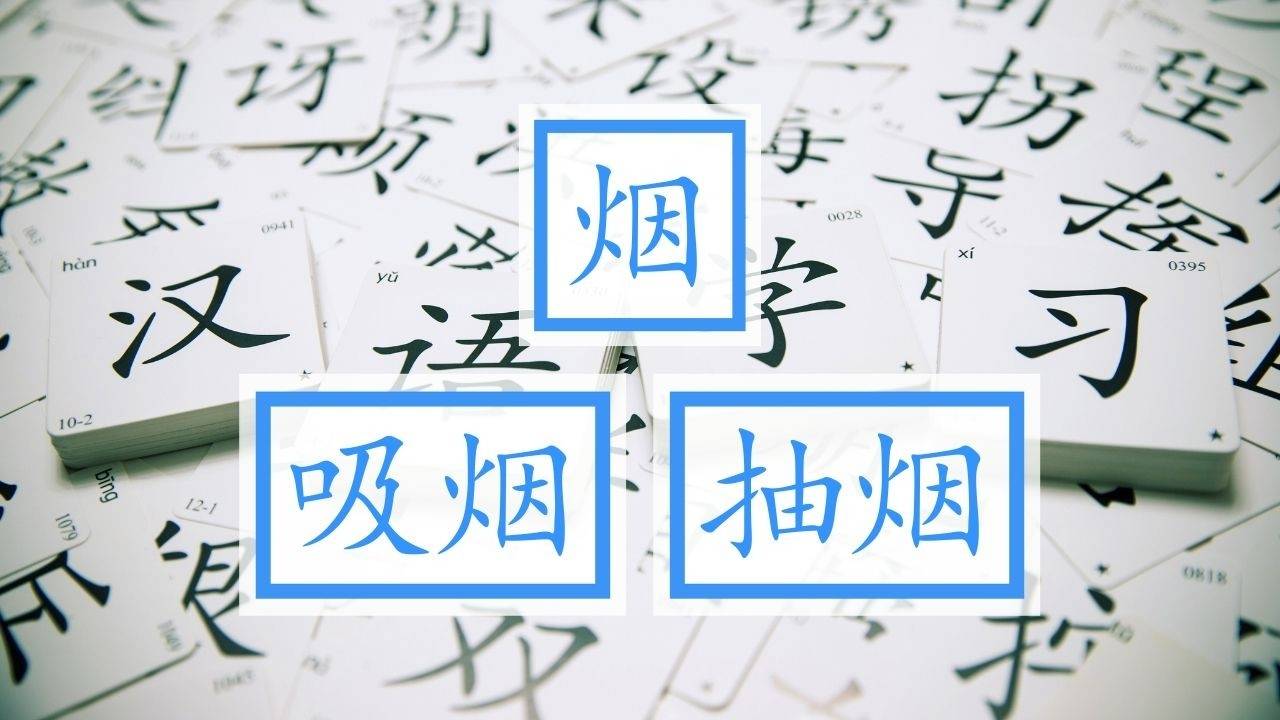
Vocab Unlocked from 烟
13
Make a Movie 炎
14
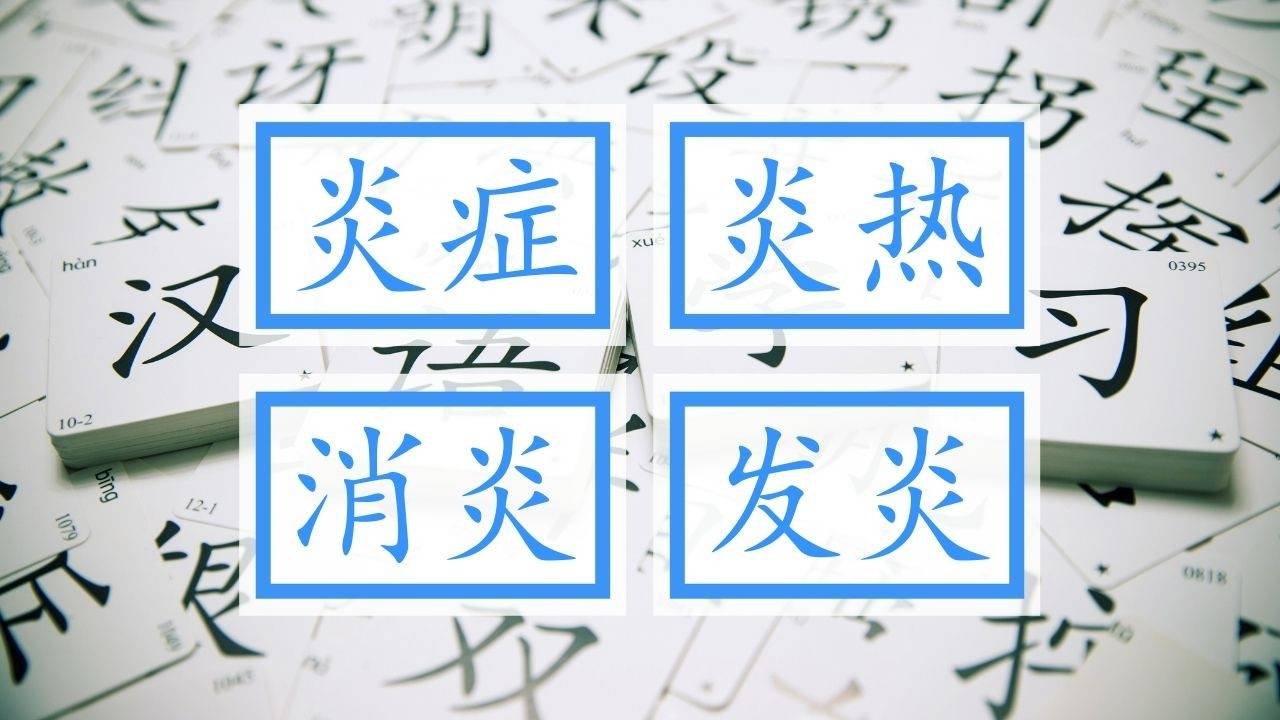
Vocab Unlocked from 炎
15
Make a Movie 炼
16
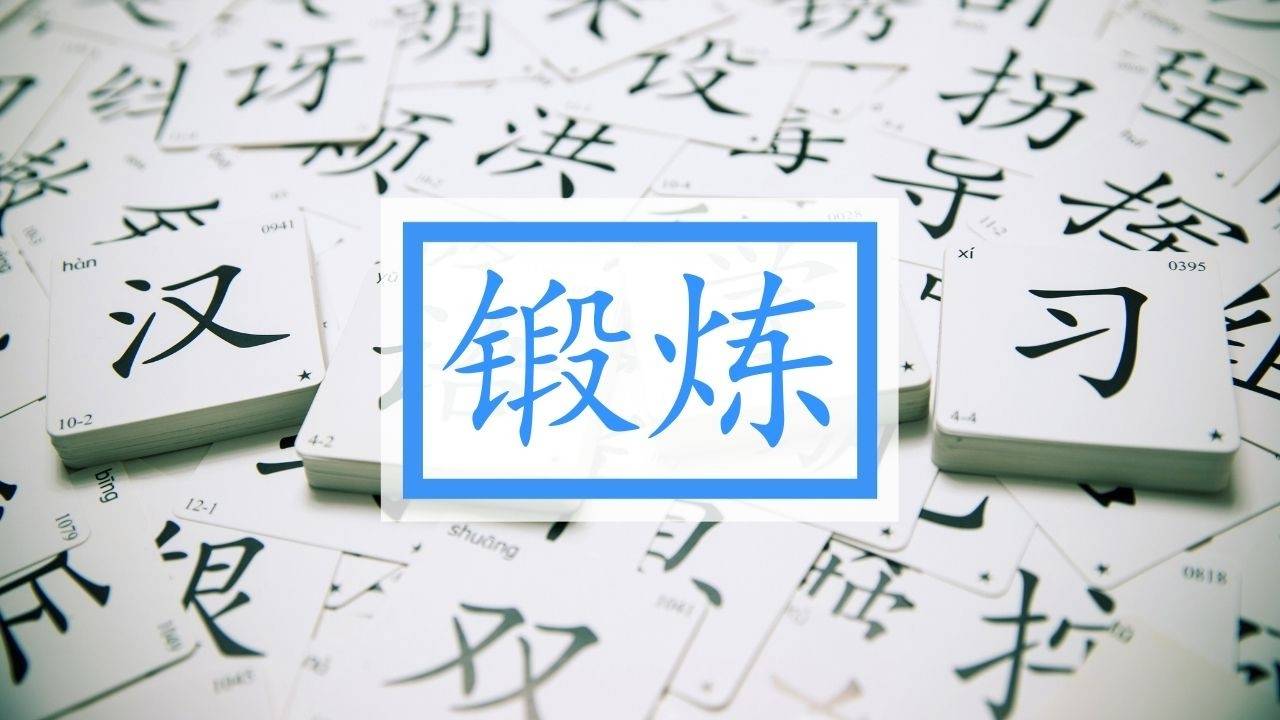
Vocab Unlocked from 炼
17
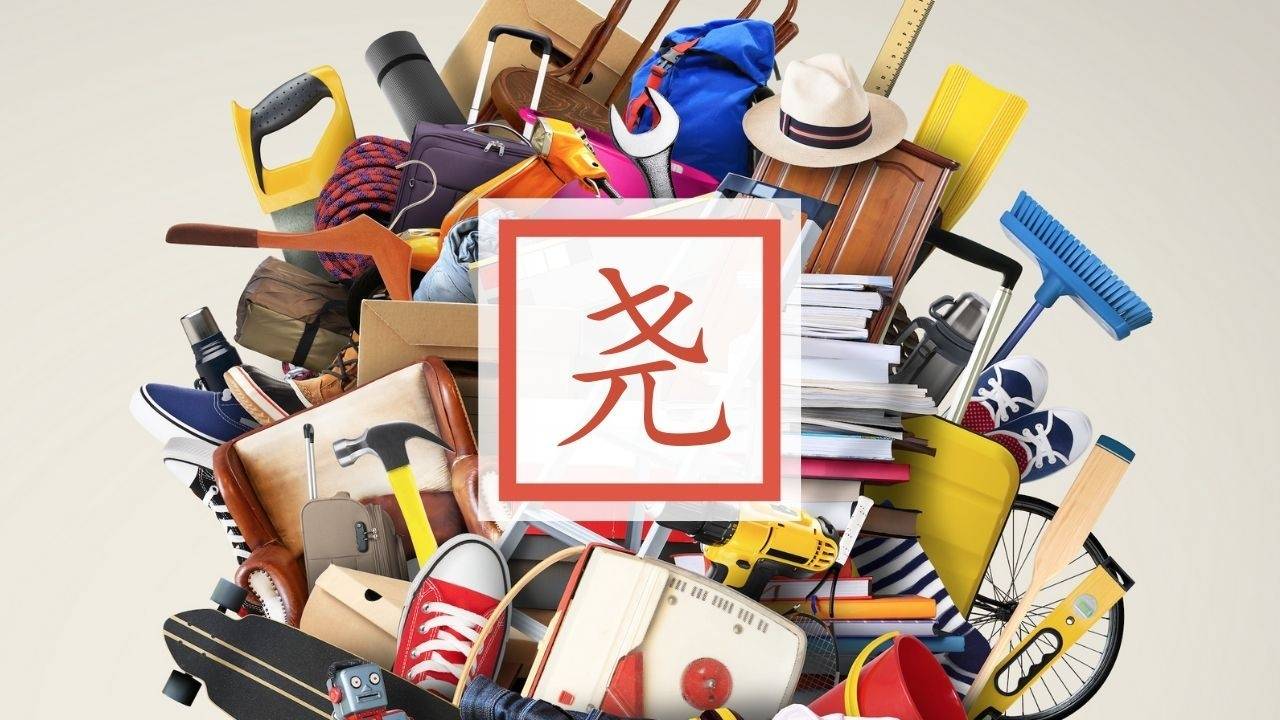
Pick a Prop 尧
18

Make a Movie 烧
19
Vocab Unlocked from 烧
20
Make a Movie 绕
21
Vocab Unlocked from 绕
22
Make a Movie 浇
23
Vocab Unlocked from 浇
Next Character
Vocab Unlocked from 浇
CONGRATULATIONS!
Here Are The New Words You Know Containing 浇
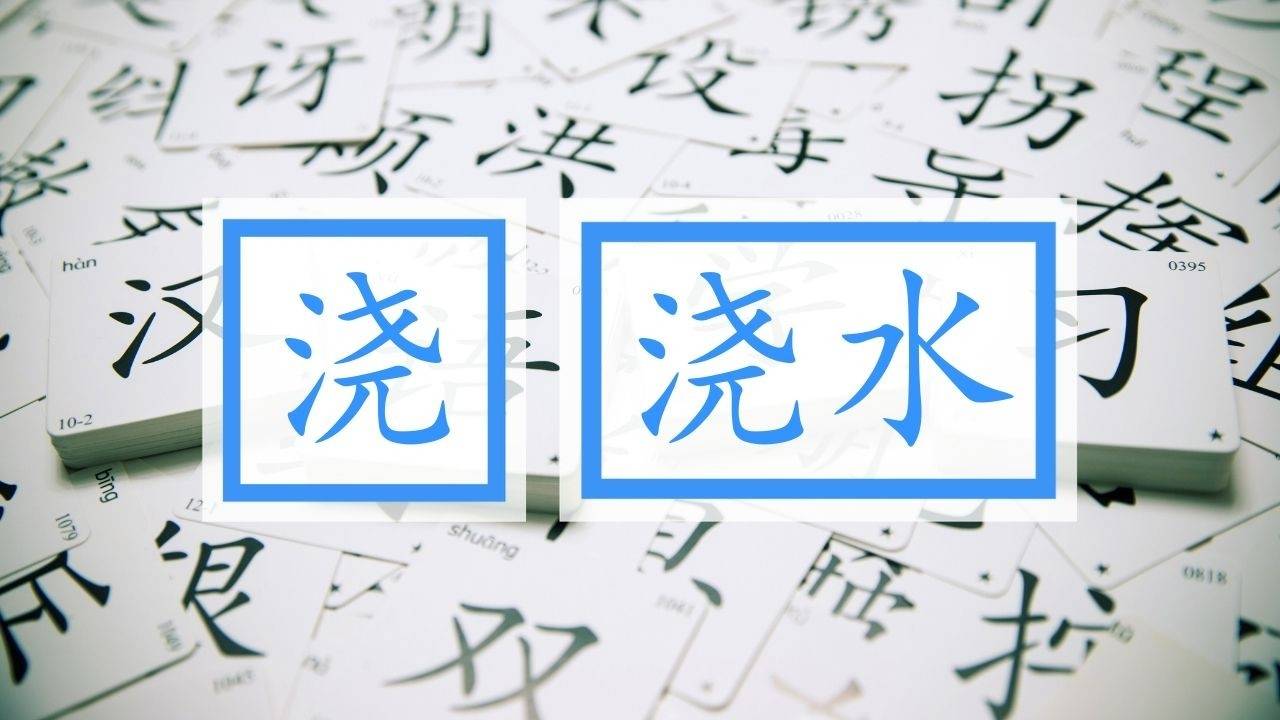
浇
用法 1 - "pour liquid on; sprinkle (verb)”:
句子
我放学回家的时候, 奶奶正在院子里浇菜。
浇水
用法 1 - "water (verb)":
句子
这花已经半个月没浇水了,该不会死了吧?
Need a Reminder?
The Six Steps to Learning Words
Understanding Chinese Words - Morphemes

Comment 1

Get Involved!
Have any questions about the course? Want to share an interesting "movie scene?" How about an Actor, Set or Prop? Just leave a comment below the lesson in question and we'll talk about it in our weekly podcast!

Click Here to Search Individual Hanzi 汉字
PHASE 1 (Levels 1-6)
- The Basics - Why Does This Method Work?
- How our Pinyin Chart is Different
- What are Chinese Characters?
- Props
- Sets
- Actors
- Scripts
- Inspiration for Scripts
- Special Effects
- Timeboxing
- Why SRS is So Important: Frequency & Memory
- How to Use SRS
- Habit Building Part 1 - Triggers
- Habit Building Part 2 - Routine
- Habit Building Part 3 - Reward
- Habit Building Part 4 - Belief
- Stroke Order Rule #1
- Stroke Order Rule #2
- Stroke Order Rule #3
- Stroke Order Rule #4
- Stroke Order Rule #5
- Stroke Order Rule #6
- Stroke Order Rule #7
- Stroke Order Rule #8
- Stroke Order Rule #9
- Stroke Order Rule #10
- Stroke Order Rule #11
- Stroke Order Rule #12
PHASE 2 (Levels 7-12)
- Understanding Chinese Words - Morphemes
- The Six Steps to Learning Words
- 3 Questions About Words
- Top-Down & Bottom-Up Learning
Living Links Series
Word Structure Series
- Part 1 - What are Chinese Words?
- Part 2 - Verb-What 述宾式
- Part 3 - Verb-How 补充式
- Part 4 - Biased 偏正式
- Part 5 - Parallel 并列式
- Part 6 - Duplicated 重叠式
- Part 7 - Subject-Predicate 主谓式
- Part 8 - Affixed 附加式
PHASE 3 (Levels 13-20)
- The Basic Chinese Sentence
- Helper - Expressing Possession with 的
- Helper - When You Can Omit 的
- Helper - Completed Actions with 了
- Helper - Change of State with 了
- Helper - Present Actions with 着
- Connector - Saying 'But' with 但是 - 可是 - 不过
- Connector - Reasons & Actions with 因为..., 所以...
- Connector - Conditional "If-Then" Statements with 如果..., 就
- Connector - Conditional "If-Then" Statements with 要是...的话
- Connector - "Or" in Questions with 还是
- Connector - “Or" in Statements with 或/或者
- Relator - Using 为 to Express "For"
- Relator - Expressing "From" with 从
- Relator - Expressing Location with 在
- Special - Using 在 as a Verb
- Tone - Softening Tone of Voice with 呢
- “How Does What" - Adverbs of Denial
- “How Does What" - Adverbs of Degree
PHASE 4 (Levels 21-30)
Level 21
- Transferring Money by Smartphone or Bank
- Walk in the Park?! I Have 汉字 to Study!
- Who Determine's a Baby's Looks, Mom or Dad?
Level 22
- How Many Pages of the Book Have You Read?
- Many People Don't Want to Have Babies
- My Girlfriend Can Really Eat!
- What Do You Like to Do?
- What Method Works for Learning Chinese?
Level 23
- Eating Bread
- I Met My Girlfriend in the Park
- Something is Different About My Dog Lately
- The Older Brother is Better Than the Younger Brother
- The Right and Left Side of the Office
- Three Meals a Day
Level 24
- Annoying People
- Breaking Up at the End of the Date
- Going on a Date
- My Two Friends and I
- Overtime at Work
- Red Packets
- Two People in a Relationship
Level 25
- I Want to Find a Boyfriend Too
- My Dad and I
- My Dog Chouchou
- The Big Changes of China
- The Weather is Great, Let's Go to the Park!
- Xiaomei and Her Boyfriend's Day
Level 26
Level 27
- American Journalist Studies Chinese in China
- Can I Still Learn Chinese Anymore?
- Should I Change?
- Children and Their Parents
- Foreigner's Opinion of China
- What Do You Want to Be When You Grow Up?
Level 28
- Daughter & Mother
- Son's Eighth Birthday
- Study, Work & Life
- What's More Important, Looks, or Ability?
Level 29
- Advertisements
- Buying Tickets at Chinese New Year
- Everybody Restaurant
- How Does One Progress
- Son is Out of Control
Level 30
- Cars, Bicycles & Trains
- Potatoes & Beef
- Two Ladies Compare Who's Got it Better
- Young People Raising Cats and Dogs
Phase 4 Grammar Points
PHASE 5 (Levels 31-36)
Cao Chong Weighs the Elephant
- Paragraph 2 - Level 34
- Full Story 90% Comprehension - Level 34
- Full Story 98% Comprehension - Level 48 (Intermediate Course)
Honesty
- Paragraph 1 - Level 36
- Full Story 90% Comprehension - Level 39 (Intermediate Course)
- Full Story 98% Comprehension - Level 56 (Intermediate Course)
Little Red Riding Hood
- Paragraph 1 - Level 34
- Full Story 90% Comprehension - Level 35
- Full Story 98% Comprehension - Level 44 (Intermediate Course)
Nighttime Beauty, Daytime Witch
- Paragraph 1 - Level 32
- Paragraph 2 - Level 34
- Full Story 90% Comprehension - Level 35
- Full Story 98% Comprehension - Level 55 (Intermediate Course)
Patience
- Paragraph 1 - Level 34
- Full Story 90% Comprehension - Level 35
- Full Story 98% Comprehension - Level 50 (Intermediate Course)
Si Maguang Smashed the Vat
- Paragraph 1 - Level 35
- Full Story 90% Comprehension - Level 41 (Intermediate Course)
- Full Story 98% Comprehension - Level 48 (Intermediate Course)
Sleeping Beauty
- Paragraph 1 - Level 35
- Paragraph 2 - Level 32
- Paragraph 4 - Level 35
- Paragraph 5 - Level 34
- Full Story 90% Comprehension - Level 36
- Full Story 98% Comprehension - Level 54 (Intermediate Course)
The Three Little Pigs
- Paragraph 2 - Level 33
- Full Story 90% Comprehension - Level 35
- Full Story 98% Comprehension - Level 52 (Intermediate Course)
Phase 5 Grammar Points
- Connector - Using 虽然...但是... to Express 'Even though...,still...'
- Connector - Expressing 'Not This, Instead That' with 不是..., 而是...
- Connector - 'Not Only..., But Also...' with 不但...而且...
- Connector - 'Not Only..., But Also...' with 不仅...而且/也/还...
- Special - How to Use 把 bǎ in Chinese
Intermediate (Levels 37-58)
Level 37 Complete
Level 38 Complete
- 姐姐的婚礼 (Course Platform Lesson)
- 给朋友的信 (Course Platform Lesson)
- 石油大王 (Course Platform Lesson)
Level 39 Complete
Level 40 Complete
- 老师,您好 (Course Platform Lesson)
- 你见过早上四点的洛杉矶吗? (Course Platform Lesson)
- 为什么是足球? (Course Platform Lesson)
Level 41 Complete
- 给朋友的信 (Course Platform Lesson)
- 最可爱的人 (Course Platform Lesson)
- 想看花园的冰小猫和冰小羊 (Course Platform Lesson)
Level 42 Complete
Level 43 Complete
Level 44 Complete
Level 45 Complete
Level 46 Complete
Level 47 Complete
Level 48 Complete
- 王涛的故事 (Course Platform Lesson)
- 蚂蚁森林 (Course Platform Lesson)
- MINISO没有秘密 (Course Platform Lesson)
Level 49 Complete
- 不一样的包子 (Course Platform Lesson)
- 减肥热潮 (Course Platform Lesson)
- 应该如何安排我们的人生? (Course Platform Lesson)
Level 50 Complete
Level 51 Complete
Level 52 Complete
Level 53 Complete
Level 54 Complete
- 春运 (Course Platform Lesson)
- 体育摄影师 (Course Platform Lesson)
- 《夺冠》(Course Platform Lesson)
Level 55 Complete
- 共享自行车 (Course Platform Lesson)
- 中秋——中国的传统文化节日 (Course Platform Lesson)
- 丽丽的选择 (Course Platform Lesson)
Level 56 Complete
- 搬家 (Course Platform Lesson)
- 我们比任何时候都需要和平 (Course Platform Lesson)
- 未来社会是怎样的? (Course Platform Lesson)
Level 57 Complete
- 职业偶像的影响力 (Course Platform Lesson)
- 一条花裙子 (Course Platform Lesson)
- 有趣的周末 (Course Platform Lesson)
- 三袋米 (Course Platform Lesson)
Intermediate Grammar Point(s)
Relator - Expressing Distance with 离

Keep on learning with us!
We make frequent blog updates that will make you SUPER motivated as you keep climbing the "acquisition mountain." Check it out and subscribe!
Keith Travis
状况 - Zhuàngkuàng - "condition; state; state of affairs"
状 - zhuàng - Keyword: same as above
丬- qiáng - side radical for 爿 piece(s) of wood, or 'split wood', or 'half a tree trunk', or - in some places - 'bed'.
犬 - quǎn - 'dog'
丬+ 犬 = 状
qiáng + quǎn = zhuàng
So..."what's your state of affairs?"
Or
'How's your source of wood, (for fire, construction, sleeping,) and your dog, (for work, companionship, and food presumably)?'
Sums up one's State of Affairs in that way pretty well huh?
Also, it is the final character - close to the end of Level 50 - which I'd managed to 'firm up' in my 1-week attempt, (ending soon in a bout 25 minutes), at memorizing all of the Intermediate Level Characters....before throwing in the towel.
By 'firmed up' I mean:
1) I have written the character by hand
2) given it an initial Hanzi M.M. and/or mnemonic associations.
3) Reviewed it again once on paper before cycling through with it on Anki and giving it my 'stamp of approval' for full and accurate mental visualization as though writing it on paper completely from beginning to end (more on that later), pronunciation, and meaning.
But actually...in my wild past 18 hours or so...before I slept anyways...I learned a lot as I faced the inevitable conclusion that I would not - in fact - make it to the end of the list in one week.
I had written everything; that was relatively easy and enjoyable, albeit a bit numbing on two extra long days.
Coming up with Hanzi M.M. stories was not an obstacle.
Two substantial relatively mild impediments and one whooping massive mistake had sort of culminated in putting a mind-withering stump in my plans: a wrench in the works, (but not sabotage).
The two minor impediments:
1) The basic act of assigning actor, setting, and tone-room was becoming somehow 'crammed up' in my mind. Perhaps I was just tired, but it seems I'd noticed this sort of thing at other times.
Desperate to find a way to shave-time towards the one-week goal, I tried a few quick ideas:
1a - I wrote out a list of tone-markings on a grid
Like this:
_ _ _ _
/ / u u
u u / /
\ \ \ \ and so on...drilling myself to simply say
"entrance, kitchen, living , bathroom" and so on as appropriate.
1b - I tried internally visualizing clockwise and counter-clockwise spinning motions, similar to the quick turn of an old rotary-dial style telephone for 4th tones and the slower counter-clockwise recoil for 2nd tones.
1c - I tried more 'directly' influencing my mind to 'rename' my characters as bare minimum sounds. Tom Hanks became 'də' and The Queen of England became 'quə' and so on.
1d - I tried renaming my settings. Kelly Elem(en)tary School became : 'entary...and so on.
Possibly, in the course of enough time, practice, and comparison, this sort of thing might make a substantial difference, but I have my doubts. I did enjoy setting various spinning or flowing movements to the 4 tones like in example '1b' from above for this help me to immediately establish a sort of confident repetitive rhythmic cadence in my mind of the pronunciation whilst going about setting the scenes up. However, it also sort of got in the way. Still, I can already tell that this sort of association lingers to follow-up reviews and sort of 'urges' my mind towards speaking aloud.
Conclusion - always start characters in the same room of a given setting when beginning scene. No waffling about starting a 4th tone in the bathroom or in the backyard, or starting a 3rd tone scene in the living room or in a hallway, etc.
SECOND minor impediment
2) My use of Anki Flashcards had been just fine to a certain threshold. Typically, I would review an entire level's worth of new characters from my hand written quick-page of notes (about 25minuts) and take a time-boxing break, after which I'd set the ANKI 'custom study' to open up another batch of new cards.
2a - This was fine for days I might do 2 or 3 levels. However, it became problematic. I would work on a batch of new cards from a level until starting to see a few characters from the next level start to cycle in. At that point, I would take a break and then go review the paper notes for the next level..
2b - Upon resuming Anki, the words from the next level became somehow a bit 'muddled' and 'trying' as they mixed with Characters from the previous level which was still cycling through it's various double or triple confirmations of the previous level.
2c - This became increasingly taxing as my mind got tired. Eventually, the ANKI deck cycled to the next day and I was staring at over 400 review cards mixing themselves in at random with my most recent level.
Conclusion - far better to leverage ANKI to reinforce things in 'sequence batches' by level. Luke and Phil have careful selected these characters to be easier to work with in this fashion. It SHOWS in a big way.
NOTE:
n1 - Writing out a Level of Intermediate Characters - @ 45min - 60min.
n2 - Reviewing said sheet of notes later before an initial ANKI review (which prompts for a few confirmations of ease before setting aside for another day) - @ 30min.
n3 - Working on said ANKI cards isolated for specific Level until thoroughly competent in aspects (for the time being) - @ 30min - 1 hour.
n4 - By which time any major renovations to Hanzi stories have been made and the character is more than likely to pass muster on subsequent days = @ 2.5 hours per Intermediate level.
n5 - The entire Intermediate Character Set @930 characters - could be realistically 'competently initialized for mere follow-up ANKI reviews on later days' in about 50 hours.
n6 - some might well be able to do it in significantly less time, especially if not as partial to writing as I am.
MY BIG MISTAKE
I tried to 'tough it out' and bull-head my way through the unexpected challenge of hundreds of random review cards on top of an already very challenging (but do-able) mis-wrought challenge of starting new level cards before old level cards had cycled out.
THEORY - Chunking
Like, if I learn the names of the 7 dwarves' from 'Snow White and the 7 Dwarves' on one day, and on another learn the names of the 12 Dwarves from 'The Hobbit' it is obviously mush easier to keep them all separate and distinct. They can later interact and then each go back to their proper 'home' at the end of the day.
Trying to learn the Dwarves, their beard-colors, their ages, and their clothing from both stories at the same time will obviously set the stage for a few misshapen Dwarves viz. their respective traits.
Sorting them out again would be a bother.
Starting from scratch would probably be best.
I worked for a while, but things were looking bleak. I was cutting corners and making poor quality scenes. I was prematurely cycling through cards while thinking that maybe I had previously been too strict and that it would all just sort out on its own.
I got sidetracked using Plecko to look up various other characters or traditional radicals, (which I find immensely helpful). But it was evident that I was starting to just find Plecko and and other sources of character and radical information to be amusements.
It quickly became obvious I was beginning to waste my time and would have very little retention on successive days.
Time to go into damage control.
I went to sleep.
I woke up and - even with 7 hours to go - said - "aww screw it. I'm going about this wrong"
I decided to take a little drive. About 5 minutes into the drive I realized that:
1) I could simply suspend all of the Cards in Anki and only unlock the ones for the level I'm working on.
2) I can otherwise unsuspend a set of cards for reviewing and finish those completely before unsuspending and cards from new levels.
Yes!
Well, so I did go off to a few used book stores and found a few appealing dictionaries.
1) I bought a smaller, easier to read and less dense dictionary: 'Tuttle's' I believe.
2) Grabbed a dense Oxford paperback Dictionary with far more total entries.
3) Found a small book with wide open pages and examples of transitions from Ancient Bone script through to Greater and Lesser Seal Script, Clerical, Traditional, and Modern, for a selection of a few hundred characters, (almost all of which I now happily know thanks to the guys at M.B. Luke and Phil.)
4) And grabbed a shiny new picture dictionary dense with clusters of related imagery at very well chosen daily living scenes. There was a page in which 8 types of flour and a dozen different loaves of bread were translated nice and neatly done.
5) I saw first hand that a super nice-looking Dictionary was not desirable.
--You could look up words in English and see their definitions in Mandarin Hanzi only; there was no Pinyin, and no way to cross-check. A person would have to be very fluent in Mandarin I suppose and perhaps be buying that sort of dictionary to help learn English or otherwise simply a very advanced non-native learner.
It helps me to realize the distinction between 'trying to translate my English into Mandarin' versus ' Learning to say what can be said in Mandarin.'
Later on, I will probably look online for some of the sort of character and word frequency dictionaries not commonly sold in bookstores.
At this stage, reading those dictionaries was making a lot of sense. An absolute Bevy of comprehensible input. Clusters of similarity in character and phoneme all right next to each other.
I never ever thought a dictionary could be so much fun. It's my new YouTube web-surfing channel except by book.
At any rate, the positive tricks and tips and do work quite well are all commented upon in the Mandarin Blueprint, some with greater or lesser emphasis than one comes to realize over time and experience relative to ones innate traits I suppose.
1) I found - in general - that being emotionally positive, finding little senses of delight and closure, being about seeing an actor I hadn't seen for a while, imagining saying 'oh hey 'you'!. In general, in English, I ruminate quite a bit. I've discovered with Mandarin that there is no rumination. It just works too different some region or other of the brain I suppose. In English, my daily life and social encounters are met with my own preoccupation and rumination. In China, or Taiwan, etc., I believe this will have the effect of leaving me a bit more pleasantly mentally vacuous, (at least in a linguistic sense), unassuming and unpreoccupied: a listen-first approach to communicating.
2) If I don't actually know one of my actors or actresses faces very well, I will look it up on Google. I will look up my friends, acquaintances, even drawings if need be.
3) I choose to use my Father as 'D' for Dad. On a personal note: my father is deceased. Putting him into the stories is/can be somewhat enlightening as to further processing how I feel about that.
4) The whole 'rewiring of the brain' effect in general seems to be the very sort of thing that comes to happen layer by layer as a cumulative effect of the emotional conditioning and processing which I've set to cultivating and which is taking place as I must needs find ways to reduce the cognitive load with 'smarter' ways of integrating the language, nursing my stamina along, celebrating, and so on. The more intensely I pursue it, the more sensitive I become to what I've eaten or if too much, how well I've slept, whether or not a workout or physical exercise is reviving me or making it hard to concentrate.
5) There was one overarching theme to pretty much all of my stories as well, in that they all took shape as a 'part of a story.'
5a) side note: I watched an animated film and just tried to enjoy it. On one occasion I did pause it and spent about 20 minutes breaking down a line of captioning, used Pleco to identify a few unfamiliar characters, (all but one of which I later discovered in resuming the M.B. levels), sounding it out word for word, listening for every syllable in the movie, (perhaps 10 -15 replays of that 5 second line), and tried speaking it into Google translate, (discovering that one of the characters simply wasn't recognized by Google), discovering how Google translate will, in such cases, re-interpret what I've spoken into a 'closest phonetic match to pair it with another character as a sensible construct', (which means that I was pronouncing it correctly but Google kept 'auto-correcting' against my intentions). Not something to do regularly, perhaps not at my current level, yet doing it once revealed a lot.
Either the character was telling 'me' something, or they were telling someone else something, or they were thinking or talking to themselves. They were all telling parts of a story somehow.
And in many cases, they were all involved in larger chunks of 'story patches' where the same component, or setting, or adjacent settings proved convenient.
In some cases, part of a story would end in a setting 1,000 miles away from where the next character would resume it.
6) Over time, my performance on Anki shows me whether or not I need to 'isolate' a story better so as to clarify it when not already sort of 'warmed up' by having just seen the other characters initially clustered with it during my early stages of review.
7) Pretty much any and everything can help to form a viable and solid associative memory that will upgrade to medium-term if not long-term memory. If any part of a Hanzi looks like an English letter, if the pronunciation rhymes with or plays off of a word or phrase in English, if none of the props are used and a butterfly spontaneously drifts into view and somehow 'makes it work' it's all good. Writing a post in the comment boxes helps. Twisting my face up in imitation of my impression of a character helps. Various forms of 'kinesthetic imagination' helps - as though some cheerleader saying: "give me an 'H' ", and then you make an 'H' with your body somehow, or at least do so in a non obvious internalized sort of way, associating a tone color helps so long as one is confirmed with a particular system, of which there are a few. Making a hand gesture helps. And - finally - using a prop the way it was meant to be used helps.
8) I found that - by far - that Actor and Setting and Room are the absolute most important elements. In my opinion, everything else is entirely optional. Once those 3 key elements are firmly and accurately in place, it often seems trivial as to how else I can go about making associations.
9) I - personally - don't ever review or pay attention to props on the website, (other than to note that I may be seeing it again soon) or on ANKI; I leave them suspended.
10) Seeing the props delivered in succession in batches of characters seems to be quite sufficient as to making them memorable and inducing a sense of reinforcement as-needed. Sometime I will use a prop in several different ways depending on character or simply not use it at all. Part of this no doubt stems from the additional familiarity that is coming from all the writing I've been doing. In one scene the prop may be a truncated version of something else and the story explains why. In one scene the very same prop may be a party mask whereas in another scene it is the hub of a wheel, or a bent clothes hanger used to jimmy the lock of my car door, or a top-down view of doughnut.
11) with respect to #9 and #10 above, I I am a huge fan of learning about radicals and alternate character meanings. While realizing - as Phil once responded to me - that the 'system of radicals' is pretty much obsolete, I still find it incredibly charming. And where there's charm there's emotion and - hence - memory prompting. Besides, whether it is there to be found systematically or whether it is just my imagination, the radicals, side-radicals, position of radicals, other subcomponents of characters, other characters serving as 'radicals of other characters', and my own personal want of finding ways to catalyze laterally to a recognition of Traditional Characters, it is just all too sensible for me to to keep them in mind. They make for great stories. I figure eventually they will even be relevant in making distinctions in academic conversation with academic-minded native speakers.
12) The many props 'outside of radicals' chosen for Mandarin Blueprint are nevertheless significant to me in and of that they do reappear - often - and seem to have no other representation in formal Mandarin. They are not recognized by Apps or Optical Character Recognition software. Obviously, they are important. The characters they contribute to retain an obvious degree of meaning when modified or radicalized into other characters. However, they seem to have no independent meaning or pronunciation whatsoever. Many of the M.B. props are introduced in very few, or only 1, example, and yet I suspect to continue to see them as character range increases. In a way, I suppose it is simply good to know that there is nothing else to know about them in that sense.
13) My scenes very often have some little bit of dialogue. Especially as the numbers of scenes in the same locations or with the same character(s) grows, the dialogue continues to encompass aspects of what is going on and 'moving the story forward' a little as though some giant game of Ad-Lib. The dialogue is flexible: characters can turn to face other characters and fill in pieces of dialogue in retrospect. I have only noticed one instance so far where there has been any confusion where two scenes have someone resulted in mis-associating a previously correctly associated character. This has only happened once: when one character actually 'touched' a prop being used by another character. Similarly, I can intuitively sense an aversion to characters directly referencing other character's objects. Conclusion: my characters can talk to each other, but they should keep their hands, feet, eyes, etc, to themselves and not talk about props.
14) Cases in point: Longer Mnemonic Stories.
When I see longer strings of characters with obvious similarity (thank you guys)
项须修彩额彦颜顺顾频顶硕
业亚显普严恶
勇通桶痛
陈阵陆附障阻陪邮邻郊
I know that I will more than likely craft a set of scenes in quick succession that play off of one another.
This is typically sufficient to allow me to then review the string on paper with a surviving retention, and then again onto Anki, where the 'cross-examination' of 'character first' cards and 'meaning first' cards highlights any further need to modify scene. The 'string' may not survive intact after that point, but it was time well spent in making the transition. Once I have satisfied myself as to the efficacy of a memory in ANKI, I know that on the following day I will have @90% retention.
15) The habit of writing has - over time - helped to highlight a few important things to my attention.
15a) The HSK exams require that a person is able to read far more character than they can write.
15b) It had been easy to fool myself into thinking that I 'knew' the written form of a character when before I'd easily sight-read it several times.
15c) Certain 'generalized distinctions' make some characters just look distinct - an unusual length of one stroke, an unusual space, the place where the character is used grammatically, etc. - yet it was only upon making it a habit to fully visualize each character upon ANKI prompting - as though I were to directly go and write it out in full - that I realized the false confidence.
15d) Writing all of the characters out has - I believe - made me far more sensitive to realizing when I am fooling myself, as I have acquired enough skill now to look at the vast majority of characters - even most of the new and complex characters - once and write it out fully without double-checking part way through.
15e) The muscle memory from writing is significant. The hundreds of little personal accidents in learning how to proportion the characters and not cram the space is cumulative.
15f) The confidence that comes from reviewing characters and absolutely knowing that I've written them down before, figured out some little trick about it, gradually massaged things into place over time, is quite rewarding: as is seeing different fonts of characters and appreciating the construction in addition to a sense of the aesthetic is a microcosm in it's own right.
16) Before starting Mandarin Blueprint, I had picked up a few trifles of learning. I had learned the meaning of all the 214 radicals, (and then lost sight of most of them...and then caught on again as M.B. rolled them out.) I had taught myself Bopomofo well enough to peck out what few characters I knew, or any character I might come across. This showed me a few comparisons with character-strokes and sounds but nothing rich, not yet anyways. However, the very act of getting my Android phone Chinese Zhuyin Bopomofo keyboard set up also showed me how to anticipate some of the unique challenges that some from how one indicates a character or word; it is not always one might expect from one or two successful tries. It is still far easier to use Google Translate and other copy-past methods but - in time - Google translate simply isn't up to par. I am in the habit of translating, then reverse translating to check if the translation is getting substantially warped in the process: more often than not it is.
17) I'm a big fan of contrasting material here with that of other sources. Obviously, the characters themselves can have numerous distinct and obvious meanings. I find it interesting to see how initial meanings are assigned to the same characters depending upon the teaching method. I don't feel a need to memorize all of the variations. However, I'm reminded of 'cellular propagation' in the early stages of development for most organisms. There is a period of overproduction followed by a 'peeling back' towards what is actually used. Similarly, human brains are said to have approximately twice the number of brain cells at birth than by about one or two months time later.
18) Lastly, It is good to find ways to make one study practice relieve the stress of another, to do some 'crop-rotation' of cognitive load. Emotionally, I can occasionally just tell myself to 'memorize this character now without any scene' and I can do it...but such efforts are far too demanding to apply across more than 2 or 3 characters at any one time. Every little personal consideration, every little reflection, every little fragment of ideation which rise to a sense of new possibility or closure, serves to stabilize the stamina. Switching gears to listening to take a break from reading, or from writing, or etc...keep the ball rolling. In yoga, specifically Ashtanga, there are several distinct aspects of practice apart from the usual stretching. Breath-control is its own vast sphere of practice. It is recommended to practice stretching on its own, and to practice breath-control on its own, and that eventually the development of each individually will naturally recruit the other when appropriate. I hope something similar is true of language acquisition.
At any rate, my Big Blunder about how I was using ANKI is now fixed. I've noted the card numbers for all remaining Intermediate levels and will no doubt be able to do damage control and confirm solid completion by the 10-day mark this coming Saturday overlapping with my 10-week mark for the entire course.
I've spent about...60 hours figuring out how to have done this in 50 hours. I'll give myself another generous 20 hours - for a total of 80 hours - to finish what I sincerely believe could be done in 50 or less.
Yet the remainder of this evening I'm going to let my brain rest.
cheers